
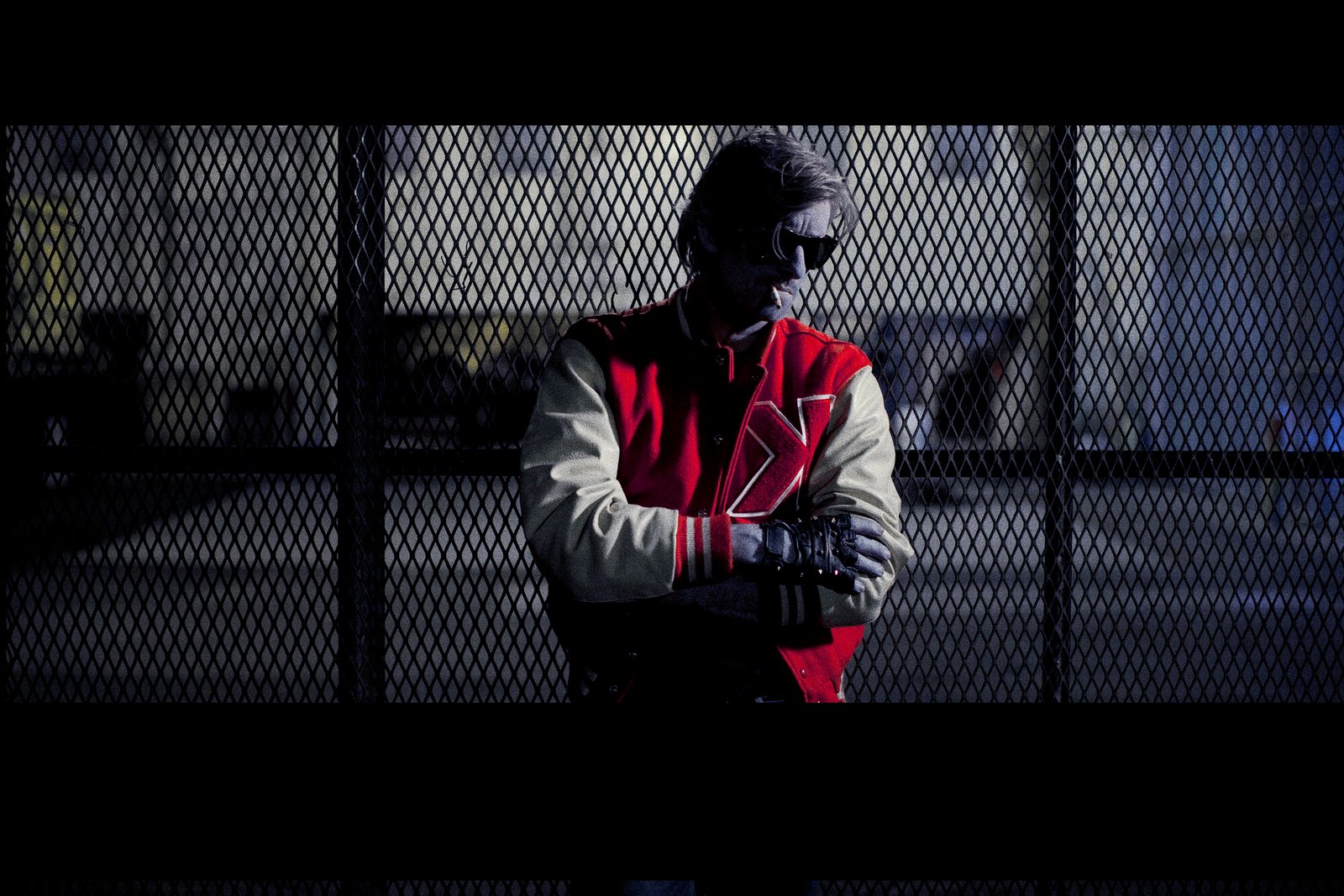
Kavinsky released “Nightcall” as a single on 2 April 2010, produced with Daft Punk’s Guy-Manuel de Homem-Christo and sung by Brazilian vocalist Lovefoxxx. The track is now 16 years old.
Nicolas Winding Refn put the song over the opening credits of Drive, his 2011 thriller starring Ryan Gosling and Carey Mulligan, and it became the piece of music most people associate with the film. Cliff Martinez scored the rest of Drive, but Refn opened the picture on “Nightcall” alone, running under the title sequence before a line of dialogue is spoken.
Drive premiered at the 2011 Cannes Film Festival, where Refn won the award for best director, then went on to gross $81.4 million worldwide against a $15 million budget.
Drive turned a French club track into a soundtrack standard
Kavinsky, real name Vincent Belorgey, recorded “Nightcall” at Gang Recording Studio in Paris, with SebastiAn on the mix. On release it reached only No. 10 on the French singles chart, modest next to what came later.
The song carries the fictional backstory Belorgey built for his Kavinsky persona: a driver who crashes a Ferrari Testarossa in 1986 and comes back as a zombie in 2006. “I’d much rather make music and tell a story, because for me music is linked to images,” he told the Georgia Straight in 2007.
“Nightcall” closed out Kavinsky’s debut album OutRun in 2013, by which point Drive had already made it the reference track for night-driving scenes. London Grammar covered it the same year, taking a stripped-down version to No. 53 on the UK singles chart.
The Paris 2024 Olympics sent it back up the charts
At the closing ceremony of the 2024 Paris Olympics on 11 August, Kavinsky performed “Nightcall” live with French band Phoenix and Belgian singer Angèle on lead vocals.
The BBC reported that the performance turned “Nightcall” into the most Shazamed song in a single day in the app’s history.
A studio recording of that version, credited to Kavinsky, Angèle and Phoenix, came out on 20 September 2024. It was certified Diamond in France and reached No. 3 on the French singles chart, seven places higher than the 2010 original ever climbed.
By the time of Belorgey’s death, the Guardian reported, “Nightcall” had been streamed more than half a billion times on Spotify alone, plus another 350 million plays on YouTube.
Certifications followed the streams: the single went Platinum in the US in 2024 and Gold in the UK in 2026, with earlier Gold awards in Germany, Denmark and New Zealand.
Belorgey had recorded his earlier EP Teddy Boy entirely on a Yamaha DX7, the same synth whose factory presets we traced in a separate piece on the DX7. The Georgia Straight linked his early tracks to Jan Hammer’s score for Miami Vice, the show that premiered the year nine-year-old Belorgey quit piano lessons.
Belorgey was found dead at his home in Paris on 28 July 2026, three days before his 51st birthday. A police source told Le Figaro that a stroke was suspected, and Paris prosecutors opened an investigation into the cause.
Emmanuel Macron called him “a source of French pride forever.” French culture minister Catherine Pégard said his music “will continue to resonate across generations and borders.”
We covered the full tributes at the time, including messages from David Guetta and the Weeknd, who called Belorgey “an inspiration.”
A SebastiAn remix of Kavinsky’s earlier single “Testarossa Autodrive” turned up in Grand Theft Auto IV in 2008, two years before “Nightcall” existed, in the same car-culture world the song later scored on screen for Refn.
Sixteen years after its French chart debut at No. 10, the Angèle and Phoenix version of “Nightcall” sits at No. 3, the highest the song has ever charted.
Lead photo: Aaron.etendard / Wikimedia Commons, CC BY-SA 4.0