Live music moves the brain more than recordings, two studies found
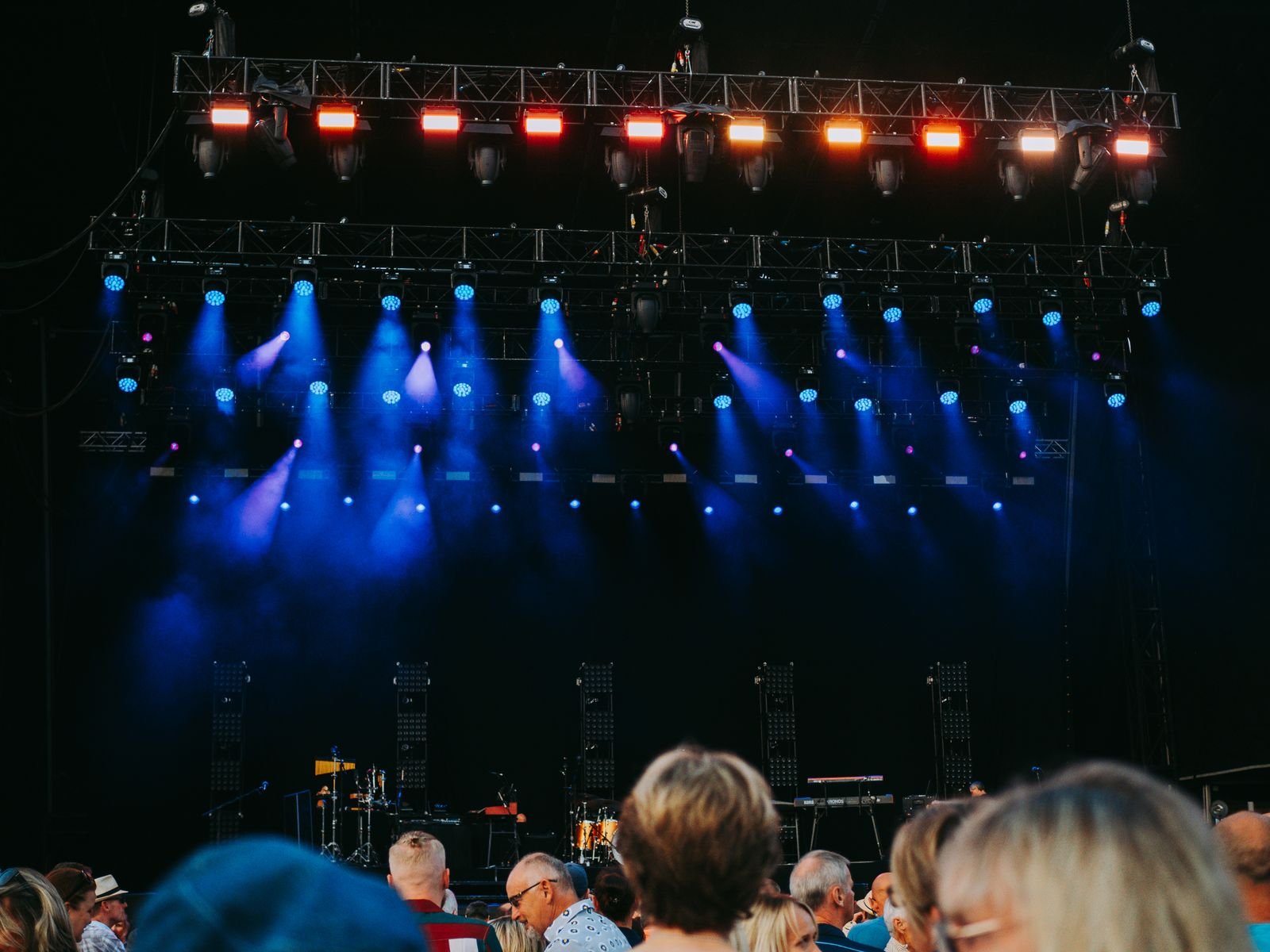
In a Zurich fMRI study, live piano drove stronger amygdala activity than recordings. A 2026 Northeastern EEG study found the brain locks on to live rhythm.

In a Zurich fMRI study, live piano drove stronger amygdala activity than recordings. A 2026 Northeastern EEG study found the brain locks on to live rhythm.
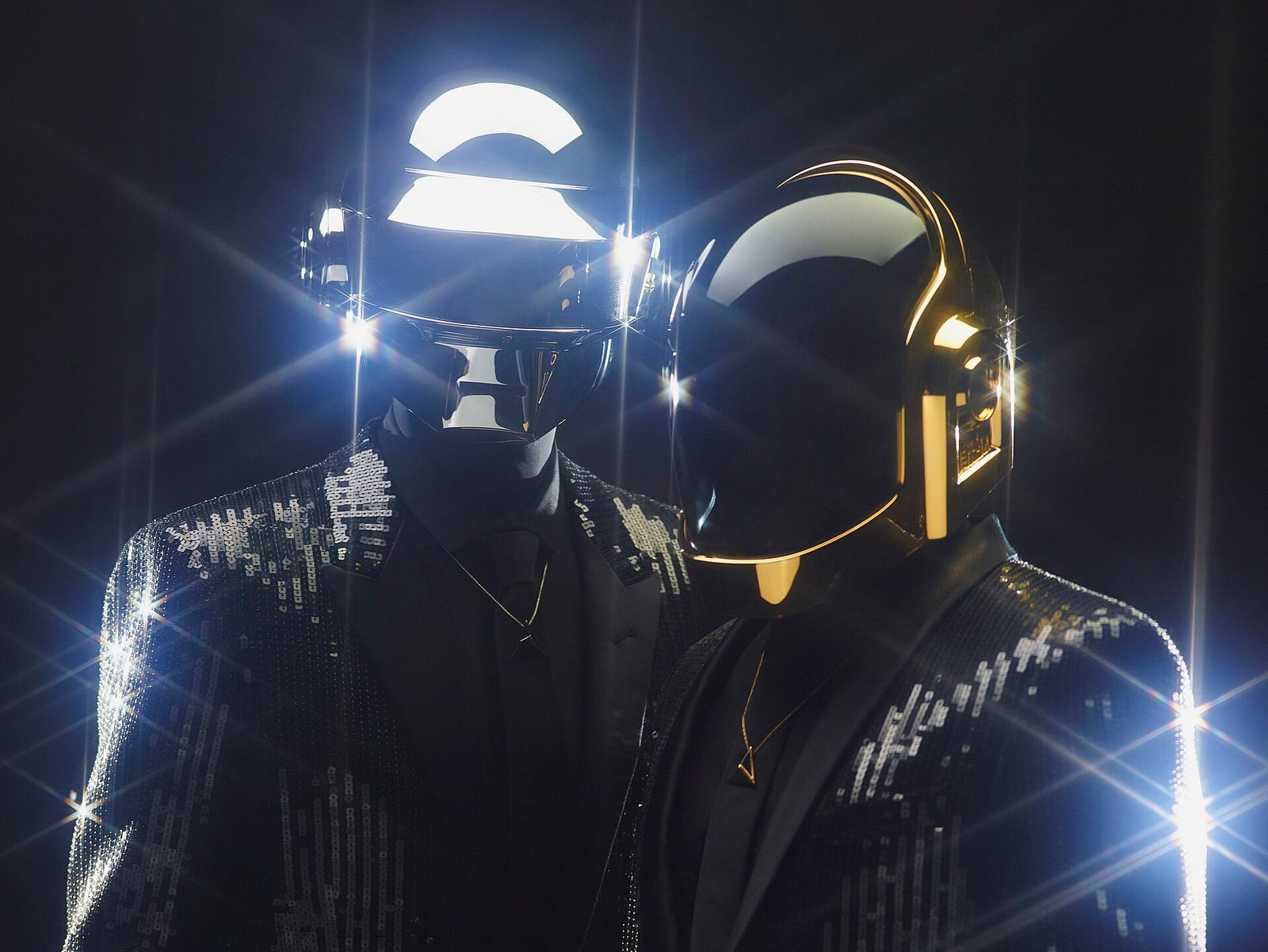
Daft Punk’s Harder, Better, Faster, Stronger came out in October 2001, built on Edwin Birdsong’s Cola Bottle Baby. A 272-page Daft Punk comic is on the way.
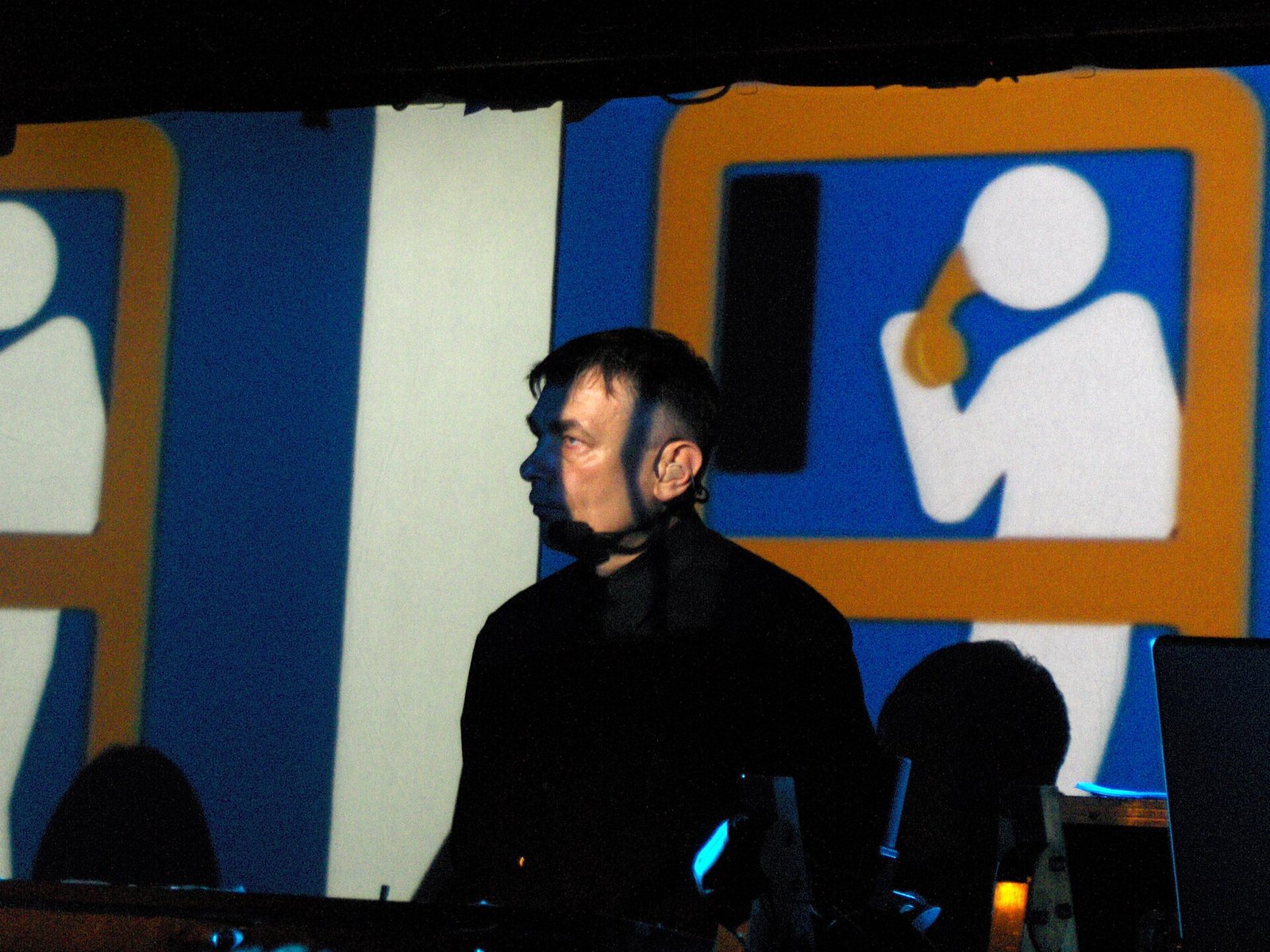
Karl Bartos, in Kraftwerk from 1975 to 1990, says the band still played together on Computer World before the computer turned them into “a musical box”.
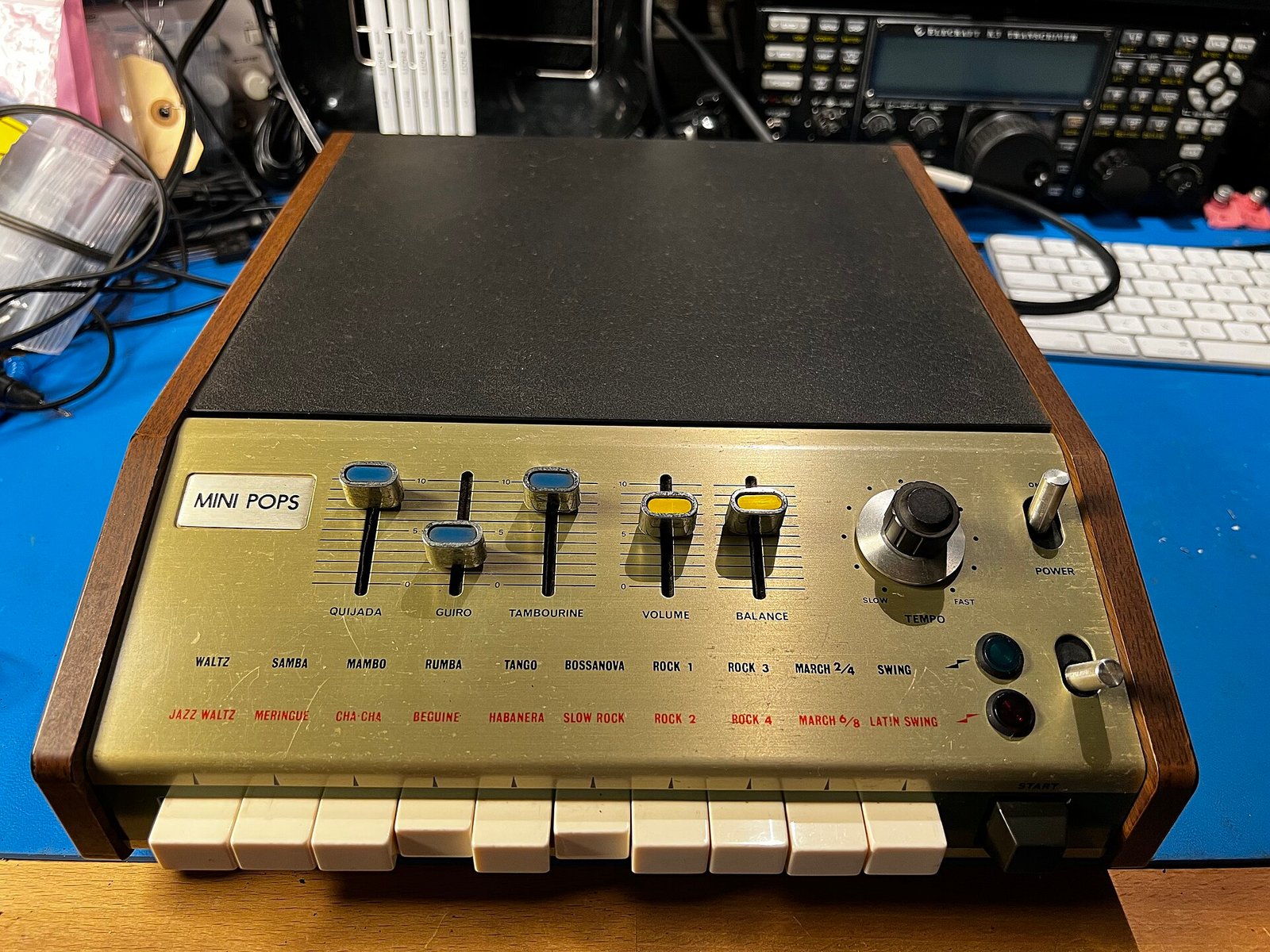
Behringer’s Mini Pops 7 copies the 1966 Korg rhythm box heard on Jarre’s Oxygène, adding a 16-step sequencer, nine outputs and a distortion circuit for £149.
YouTube Music began labelling songs made mainly with generative AI on 14 October. Deezer will let users hide AI tracks from search before the end of 2026.
The Human League released Dare on 16 October 1981. How Martin Rushent layered 24 synths, used a Linn LM-1 and recorded Don’t You Want Me in a toilet.
Fewer than 70 Gleeman Pentaphonics were built in a California garage in the early 80s. Cherry Audio has rebuilt the rare synth as a $59 plugin.
Italy’s competition authority has opened case CV278 against Suno over terms that let it close accounts without notice and make users waive their moral rights.
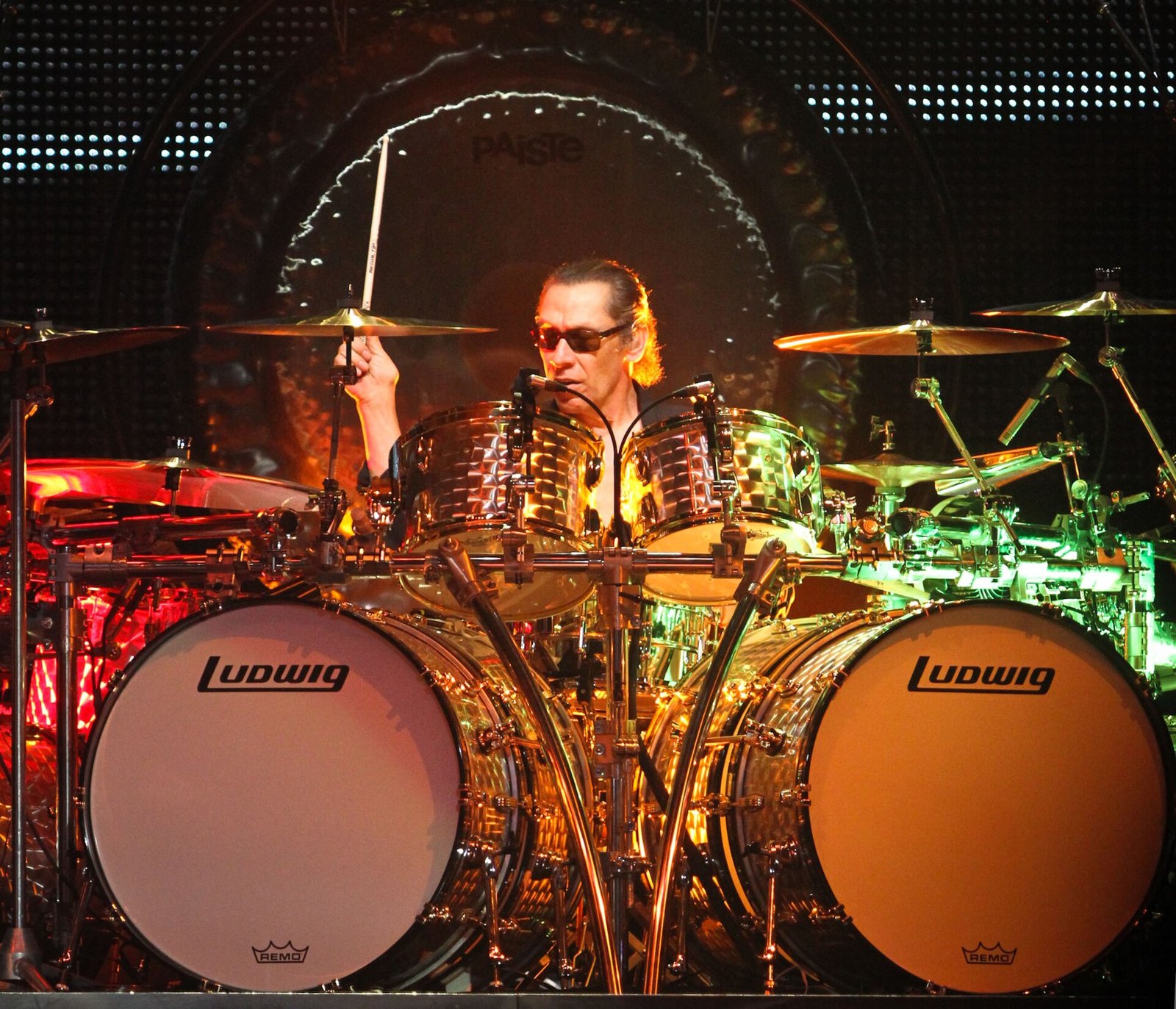
A Journal of Neurology study of 80 people with musical hallucinations found hymns topped the list, 65% found it a burden and one heard the Windows start-up sound.
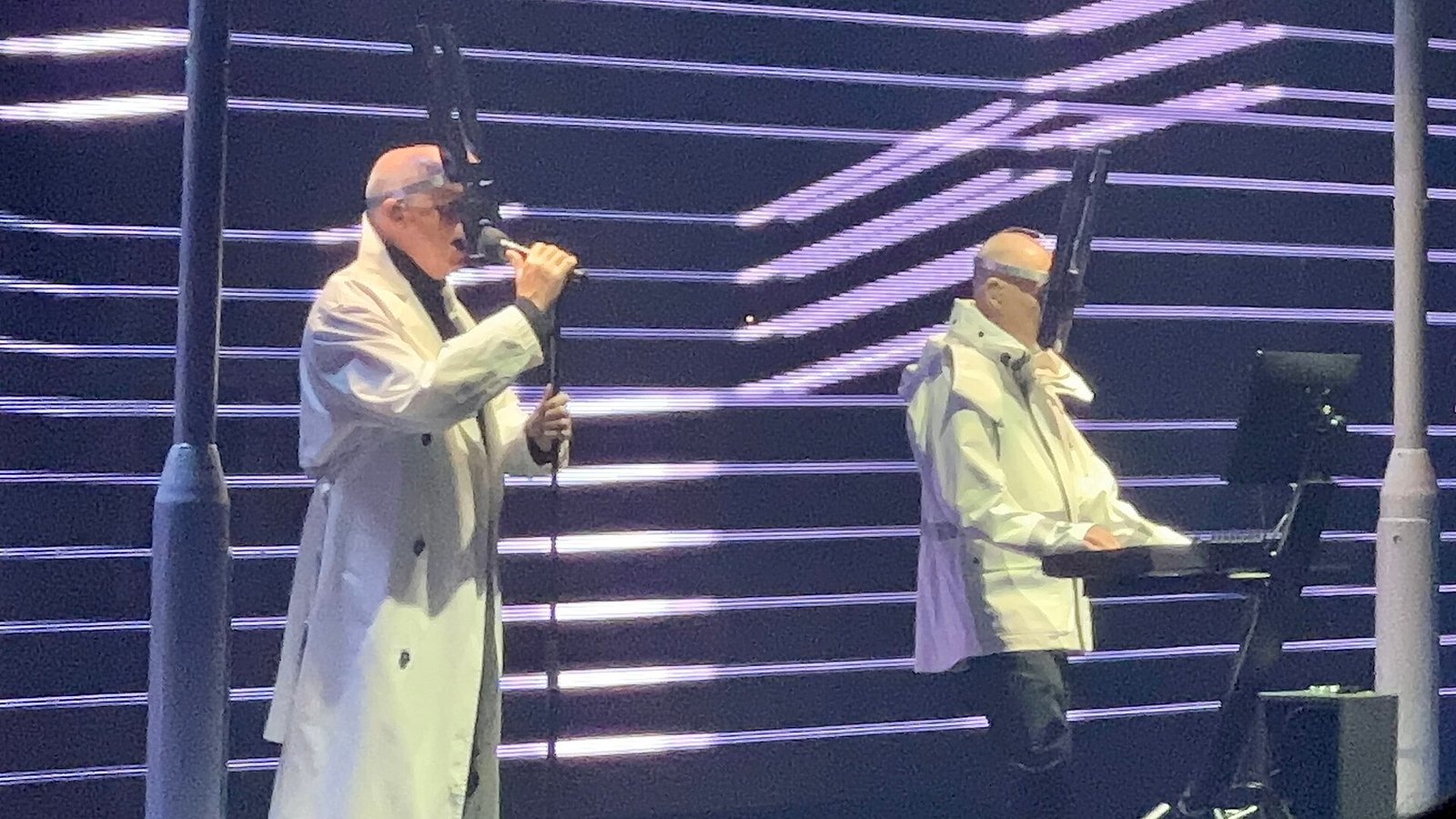
Pet Shop Boys first played A Man from the Future at the 2014 Proms. Now the Alan Turing piece is an album, rebuilt in Berlin with analogue synths and an octet.