
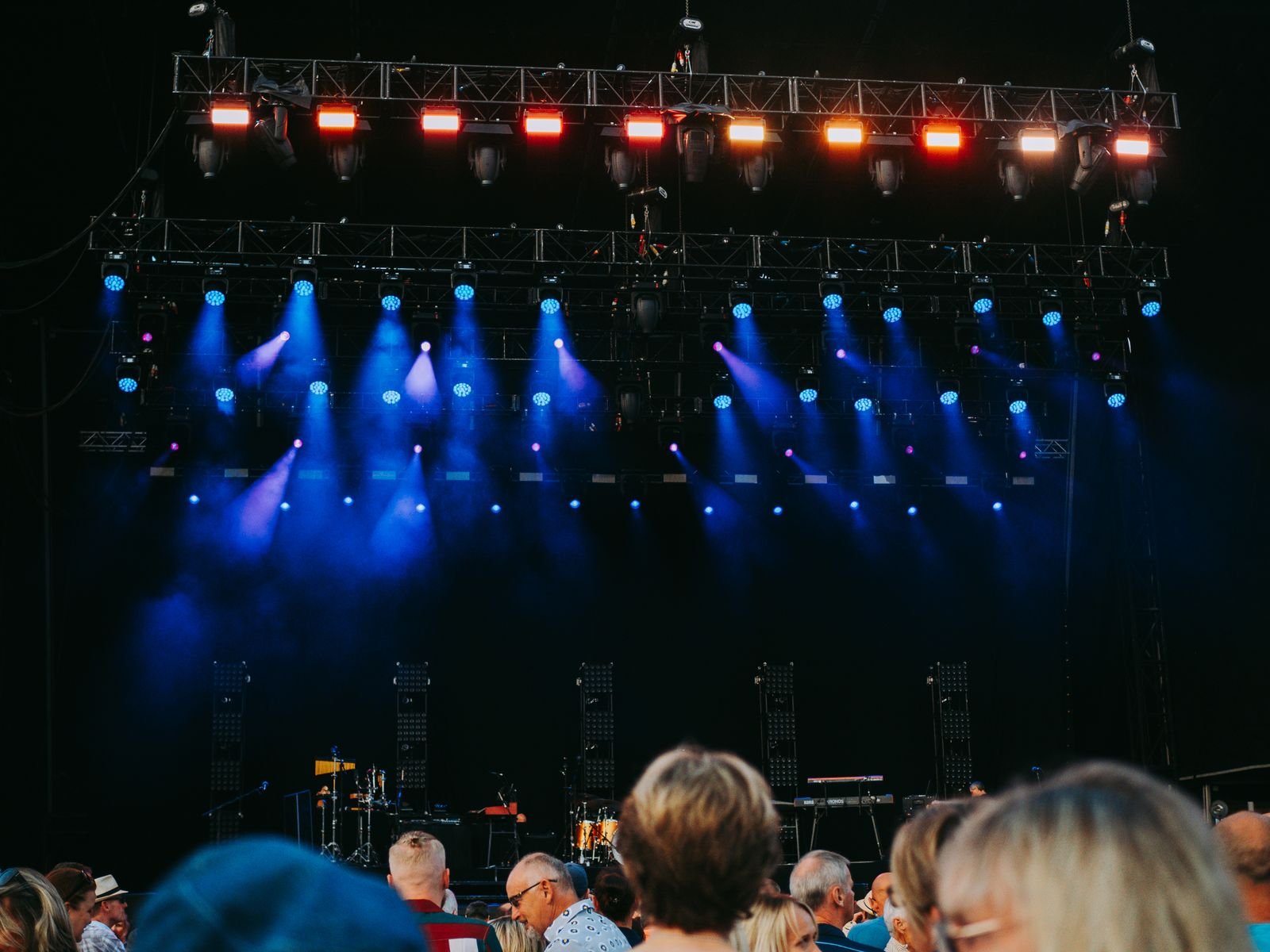
Live music stirs the brain’s emotion centre more strongly than the same music played back from a recording, according to a brain-scan study from the University of Zurich that is back in the news this week.
In the experiment, published in PNAS in February 2024, pianists were shown a listener’s amygdala activity in real time as they played, and changed their performance to push it higher.
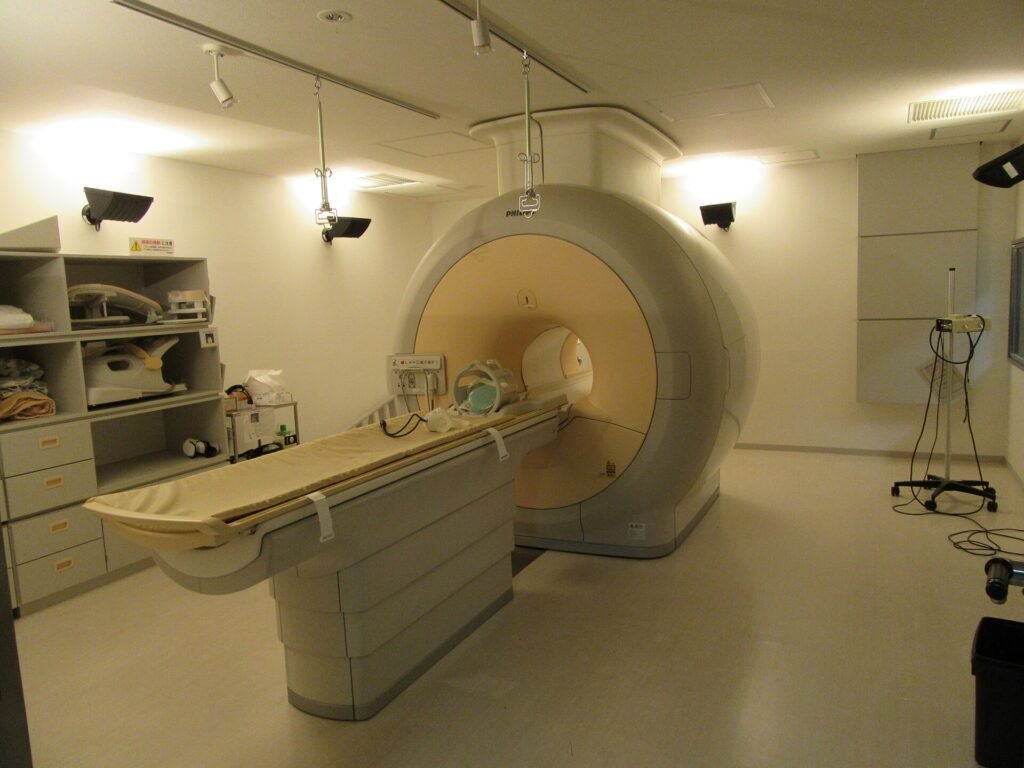
A feedback loop inside an MRI scanner
The team, with Wiebke Trost as first author and led by Sascha Frühholz, professor of cognitive and affective neuroscience, scanned 27 listeners with functional MRI. None had a musical education. Fifteen were women, and their average age was 28.
Two professional pianists, a man and a woman, played 12 short pieces of 30 seconds each, written for the experiment. Two of the four themes were pleasant and two were unpleasant.
The scanner tracked the left amygdala in real time, and the pianists changed how loudly and how densely they played to raise its activity.
The same listeners then heard recordings of the same pieces by the same pianists, without the feedback loop. Acoustic analysis showed the live versions sounded measurably different, and noisier.
Live music “elicited much higher and more consistent activity in the amygdala than recorded music,” Frühholz said in the university’s announcement. That held for both the pleasant and the unpleasant pieces.
The live sessions also lit up a wider network of emotion areas, and only live music showed a strong link between features of the performance and the listeners’ brain activity.
“People want the emotional experience of live music. We want musicians to take us on an emotional journey with their performances,” Frühholz said. He said the pull “can perhaps be traced back to the evolutionary roots of music”, and the university noted that recording only arrived with the technology of the early 20th century.
The university closed its release with a line from Casablanca: “Play it once, Sam. For old times’ sake.”
Brainwaves lock on to a live violin
A newer study from Northeastern University in Boston points the same way. Arun Asthagiri and Psyche Loui recorded the brainwaves of 21 people with EEG as they listened, eyes closed, in a concert hall.
Violinist Joshua Brown, a “rock star violinist” in Loui’s words, played fast and slow movements from Bach’s Sonatas and Partitas for solo violin. Listeners heard two performances live and two as recordings, in a study run with the New England Conservatory, where Asthagiri trained as a violinist.
Listeners’ brainwaves fell into step with the rhythm of the music more tightly for the live performances, especially the fast ones. “Live performance tunes brainwaves to music,” Loui told Northeastern Global News. The paper came out in March in Social Cognitive and Affective Neuroscience.
Asthagiri compares this phase-locking to two runners on a track. It is strong when they keep “a very consistent relative distance along the loop”. The effect “doesn’t have to be only for a classical music performance,” Loui said.
The listeners also rated the live performances as more engaging and more pleasurable. Asthagiri warned that other things could explain part of it, such as sharing the room with an audience, and that the listeners were conservatory students.
The Zurich listeners heard 30-second pieces lying in a scanner, so neither study recreates a full gig. A 2022 McMaster University study at a real techno concert in Hamilton, Ontario, found that bass the crowd could not hear made people dance 11.8% more.
Music can also ease needle pain, and the songs of our teens and early twenties carry the most memories, an effect called the reminiscence bump.
Loui’s lab plans follow-up studies comparing choral with solo singing, and conversation with reciting poetry.
Lead photo: Lisa Fotios / Pexels, Pexels License