
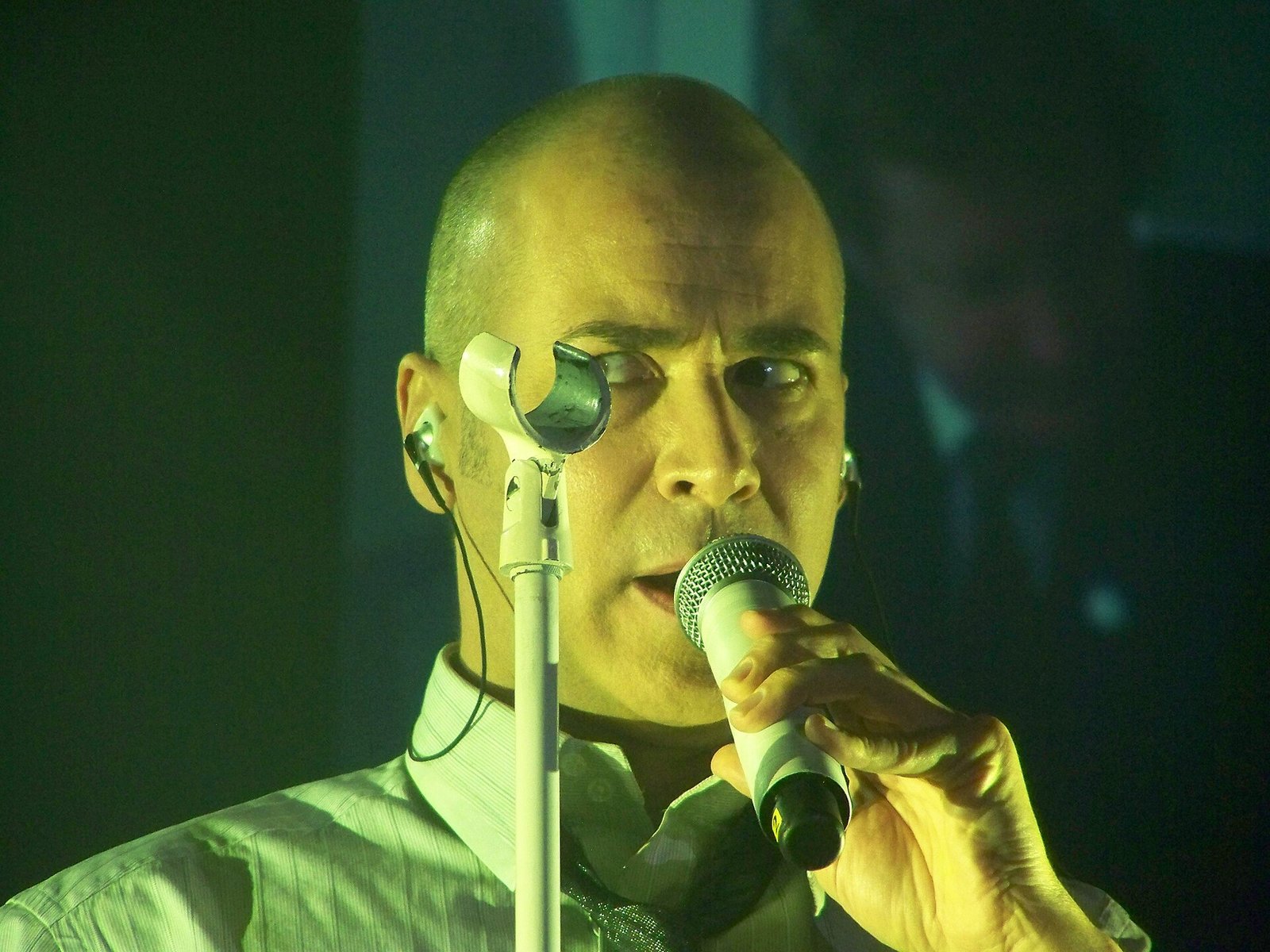
The Human League released Dare on Virgin on 16 October 1981, 45 years ago this week. It went to No. 1 on the UK albums chart and spent 71 weeks on it.
Its last track, “Don’t You Want Me”, became the Christmas No. 1 of 1981, although singer Philip Oakey thought it was the weakest song on the record.
A band rebuilt in a Sheffield nightclub
A year earlier the band had split. In October 1980 founders Martyn Ware and Ian Craig Marsh left to form Heaven 17, leaving Oakey with the name, the debts and a British and European tour starting in a couple of weeks.
Oakey kept Philip Adrian Wright, hired keyboard player Ian Burden, and went looking for a backing singer in Sheffield’s nightclubs.
At the Crazy Daisy he spotted two schoolgirls dancing, Susan Ann Sulley, 17, and Joanne Catherall, 18, neither of whom had sung or danced professionally.
Virgin then paired the band with producer Martin Rushent at his Genetic Sound studio in Berkshire, while the two girls travelled back and forth from Sheffield to sit their final school exams. Rushent had already produced the Buzzcocks and the Stranglers. Former Rezillos guitarist Jo Callis joined and learned to play synths.
Twenty-four synths on one line
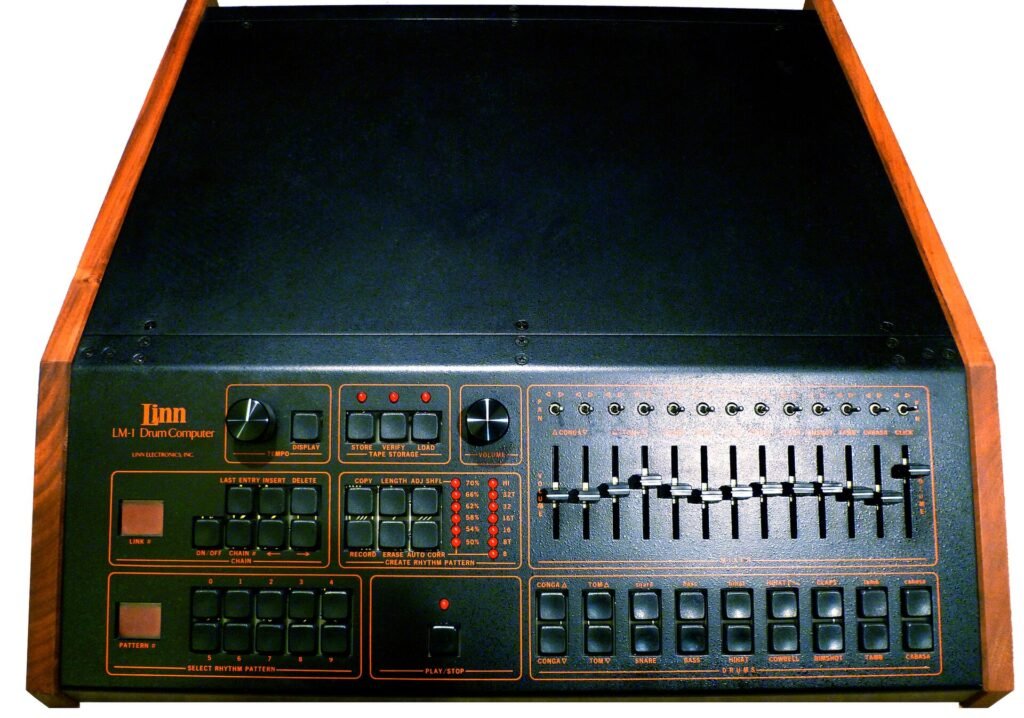
Every track began with a guide beat on a Linn LM-1, released in 1980 and the first drum machine to use samples of acoustic drums. Only “The Sound of the Crowd” was made without it, because Rushent did not have one yet.
“I might have 24 synths playing one synth line, all programmed, all analogue and all drifting out of tune,” Rushent told Sound on Sound. “It used to take hours and hours and hours.”
For “Don’t You Want Me”, he recorded part of Oakey’s vocal in the studio toilet, where the tiles gave a “live, boxy resonance”. Callis leaned in through the open window and flushed it during takes until Oakey asked why the toilet kept flushing itself.
Sulley needed about 60 takes for her verse, and the last missing line, “I was working as a waitress in a cocktail bar, that much is true”, only came after Rushent’s four-year-old son walked in wearing nothing but green wellies and broke the tension.
In real life she had never been a waitress in a cocktail bar.
Oakey had imagined a dark and lonely song, but Rushent and Callis made it far brighter and poppier while he and the singers were away. “They absolutely hated it,” Rushent said. Virgin’s Simon Draper heard a hit and released it as a single on 27 November.
No. 1 on both sides of the Atlantic
The Musicians’ Union, worried that synths and drum machines would put players out of work, condemned the album and ran a “Keep It Live” campaign.
In the US, A&M renamed it Dare! and it reached No. 3 in mid-1982, as MTV played Steve Barron’s video for “Don’t You Want Me” over and over. The single spent three weeks at No. 1 on the Billboard Hot 100.
It was Virgin’s first No. 1 album since Mike Oldfield’s Tubular Bells in 1973. Richard Branson reportedly sent Oakey a motorbike to say thanks, and Dare has since been certified triple platinum by the BPI.
By Christmas 1981 the Human League had the UK’s No. 1 album and No. 1 single at the same time.
For more early-80s synth history, read how a-ha’s Take On Me video took over MTV, how the Roland TR-808 flopped before it became a classic, and why New Order’s Blue Monday sleeve lost money.
Oakey admitted at the time that the title was “ripped off from a cover of Vogue”, then added: “I shouldn’t say that, should I?” The sleeve was designed to look like an issue of the magazine.
Lead photo: Andy Mac Giolla Eoin / Wikimedia Commons, CC BY-SA 4.0