
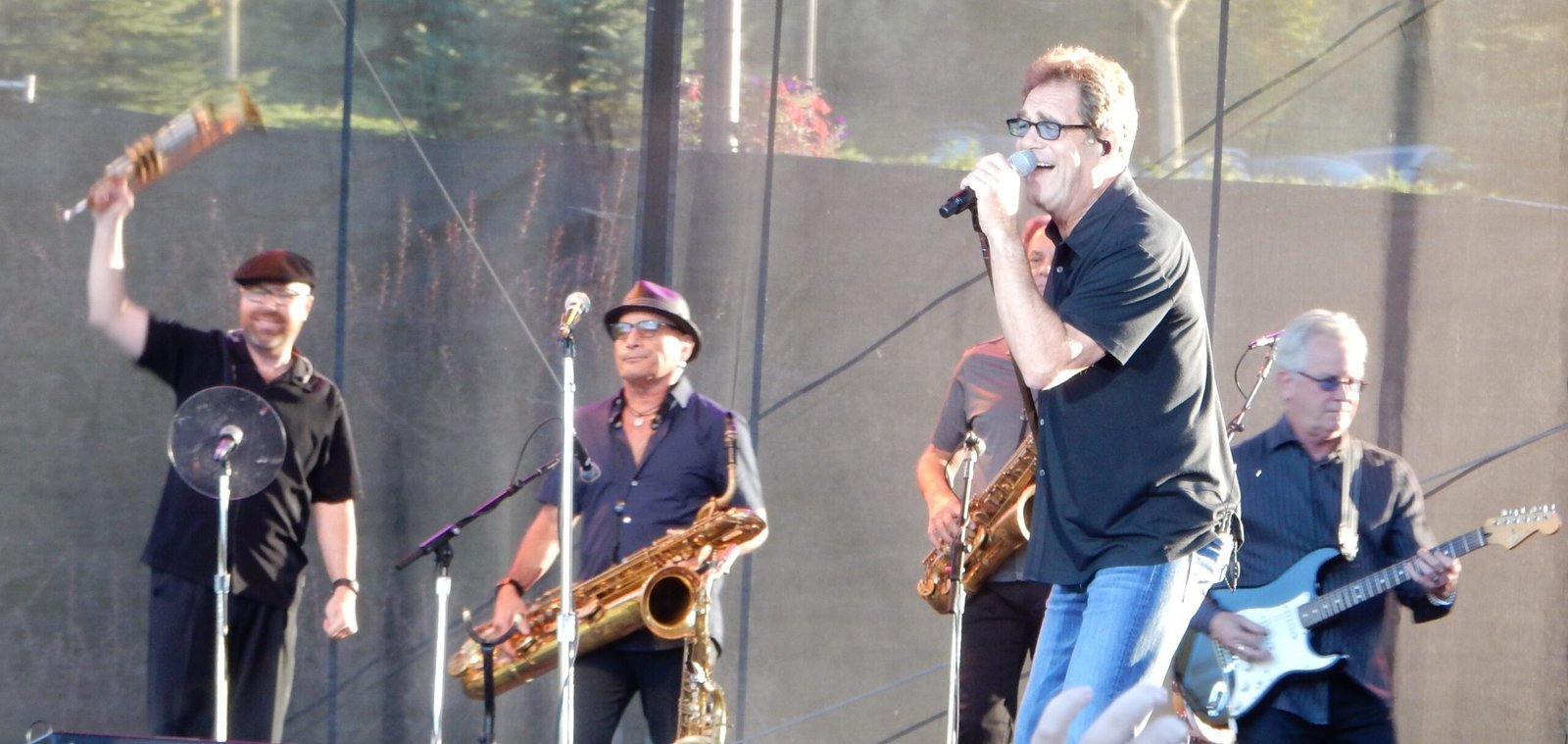
Producer Steven Spielberg, director Robert Zemeckis and writer Bob Gale sat down with Huey Lewis in 1985. They told him the hero of their new film would have been a fan of Huey Lewis and the News, and asked him to write its theme song.
Lewis turned them down. He had never written for a film, and according to Rolling Stone’s account of the meeting, he did not want to write anything called “Back to the Future.”
Zemeckis told him he could write whatever song he wanted, and Lewis agreed to send the band’s next song instead. The band was coming off the multi-platinum success of 1983’s Sports, and MTV had made Huey Lewis and the News one of the country’s biggest touring acts.
A song written on a jog, not about the movie
Guitarist Chris Hayes worked out the lead progression on his own, and Lewis wrote the lyrics on a run. “I strapped on that Sony Walkman and went for a little jog, and I wrote the song on that jog,” he told Rolling Stone in 2019. Saxophonist Johnny Colla added the synth hook that opens the track, “the intro, the chorus and the outro,” as he told Grantland in 2013.
Back in the studio, keyboardist Sean Hopper heard the finished vocal take and turned to Lewis. “You know what? Best thing we’ve ever done,” Lewis recalled him saying.
The song was credited to Lewis, Hayes and saxophonist Johnny Colla. It was recorded on May 30, 1985, released as a single on June 17, and its lyrics never mention Marty McFly, the DeLorean or time travel.
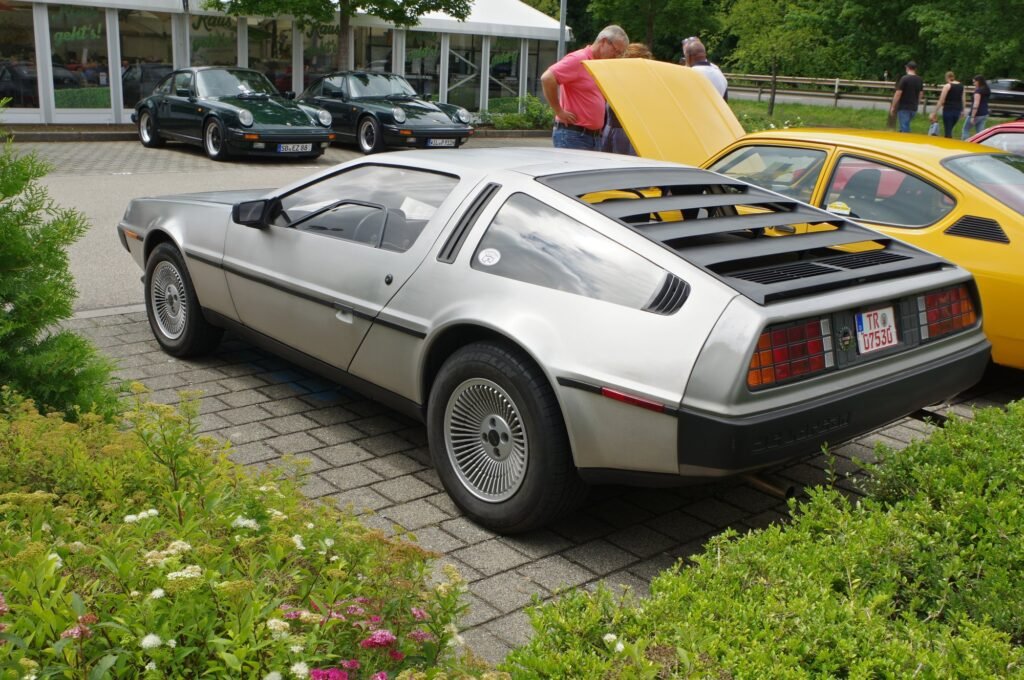
Billboard noticed anyway. Its June 29, 1985 chart issue called the new single, which had just debuted at No. 46, “an out-of-the-box monster hit.”
By August 24, 1985, it was Huey Lewis and the News’ first US No. 1, and the band’s second chart-topper on the Mainstream Rock chart.
The song also topped the singles charts in Canada and Australia.
Lewis admitted he had doubts about the fit. “I didn’t think the song was going to work for them, because there was no love interest in the film,” he told the Deseret News in 2017. “But … it worked great.”
“Back in Time” fills in what “The Power of Love” left out
Zemeckis asked for one more song, for the end credits, and Lewis wrote “Back in Time” with Hayes and Hopper. Unlike “The Power of Love,” this one mentions the plot directly, the reverse of how Kavinsky’s “Nightcall” was simply licensed into Drive’s opening credits a year after it was written.
Lewis told People in 2015: “it’s actually quite easy to write for film! In a way, it’s easier, in that you don’t have to invest yourself in it.”
Lewis also appears on screen, as the Battle of the Bands judge who rejects Marty’s band for being “just too darn loud.” The character, he has said, was inspired by an executive at Chrysalis, the band’s own label.
An Oscar nomination it didn’t win
“The Power of Love” was nominated for the Academy Award for Best Original Song at the 58th Academy Awards, held March 24, 1986, at the Dorothy Chandler Pavilion, with the music credited to Hayes and Colla and the lyrics to Lewis.
It lost to Lionel Richie’s “Say You, Say Me,” from White Nights, in a category that also included “Miss Celie’s Blues (Sister)” from The Color Purple and “Separate Lives,” also from White Nights, the same year Jan Hammer’s Miami Vice Theme won two Grammys.
Back to the Future picked up a second Oscar nomination that night, for Best Sound, and lost that one too, to Out of Africa.
In the UK, the song was released as a double A-side with “Do You Believe in Love” and reached No. 9 on the chart dated March 15, 1986, the band’s only UK top ten single, the same year the Yamaha DX7’s E.PIANO 1 preset was turning up on 40 percent of US chart-toppers.
In 2023, nearly four decades after it was written, the single was certified platinum in the UK.
Lead photo: PaulHamaker / Wikimedia Commons, CC BY-SA 4.0