
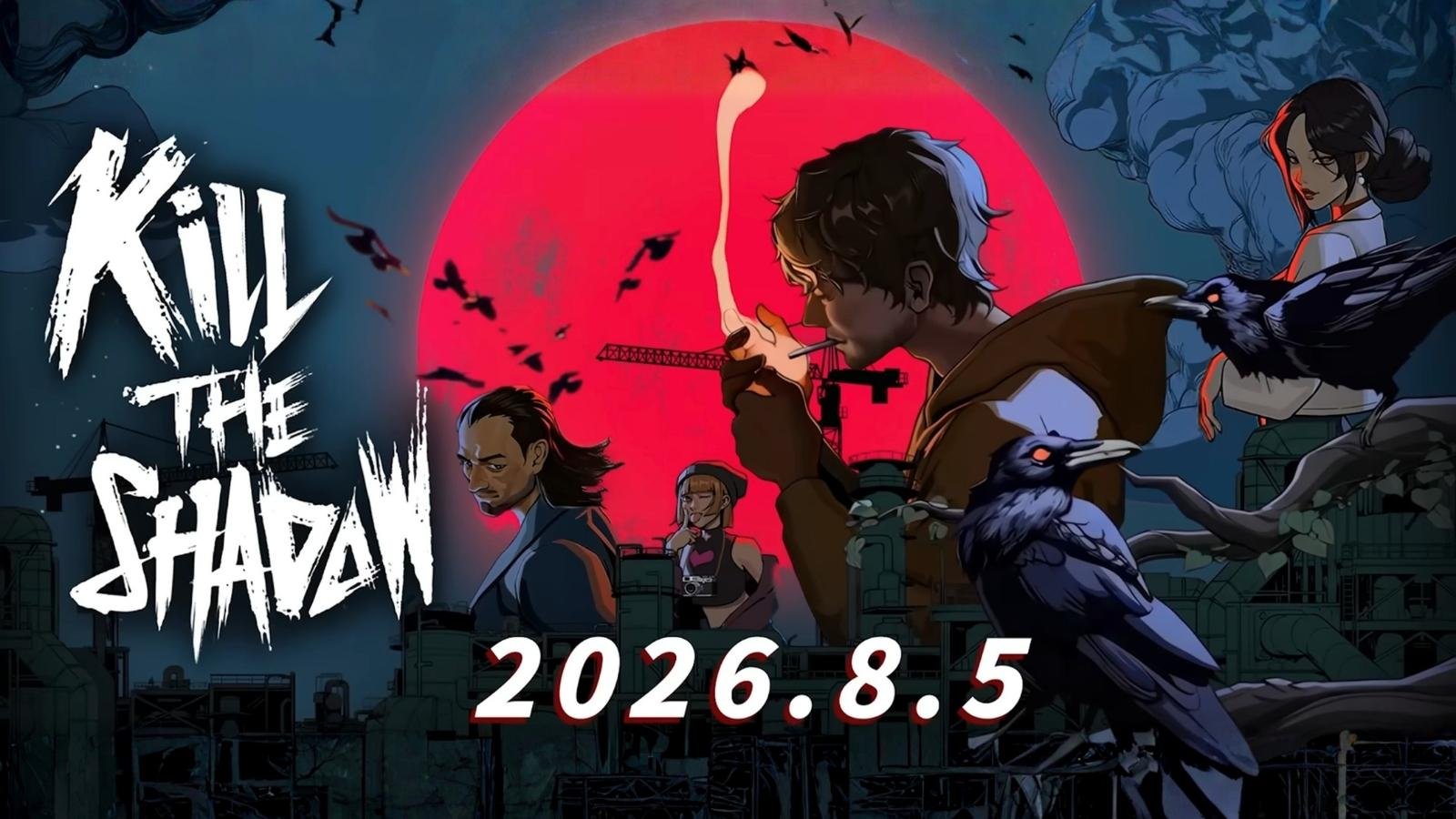
The official launch trailer for Kill the Shadow just dropped, sending ripples through the cyber-noir and indie RPG communities. Developed by Shadowlight, this stunning 2.5D pixel-art detective mystery thrusts players into the rain-slicked, corruption-filled alleyways of Dark Tide City.
Every city has its secrets, and Dark Tide City has buried theirs for decades. In Kill the Shadow, you assume the role of Lucas, a former detective carrying an impossible burden: he is bound to a mysterious, supernatural Shadow fused to his back. Rather than changing history, this Shadow allows Lucas to observe crime scenes exactly as they unfolded, revealing hidden evidence and piecing together a conspiracy that has haunted the city for over ten years.
While the trailer did a fantastic job showcasing the game’s gorgeous high-contrast lighting and investigation mechanics, it left eager players with more questions than answers. Because the game has just launched on PC via Steam, mainstream gaming wikis are completely empty, and the internet is scrambling for actual details.
This article breaks down exactly what information is currently missing across the web, the hidden deduction mechanics, and our exclusive editorial take on the cyber-noir aesthetic of Dark Tide City.
Future City Records’ Verdict on the Launch Trailer
Before we dive into the hidden mechanics, we have to talk about the absolute vibe of this trailer. As soon as the supernatural entity whispered, “Haha relax, I don’t bite, just call me shadow,” I got literal goosebumps.
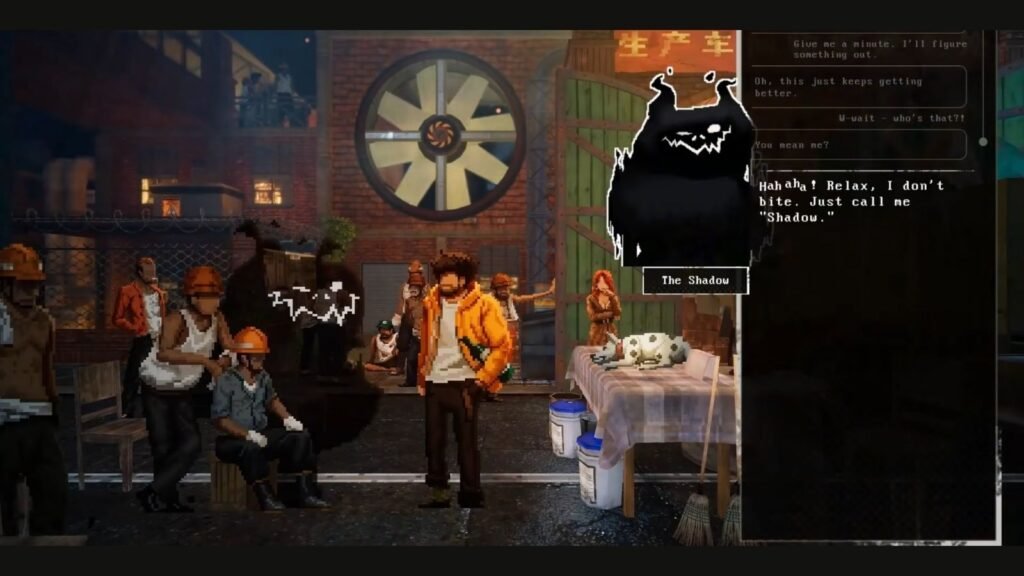
The graphics are amazing, blending 3D environments with 2D pixel-art in a way that feels fresh but deeply nostalgic. But what truly anchors the experience is the audio design. The suspenseful, heavy synth music locks you in, making you feel like you are living in the moment, breathing the polluted air of Dark Tide City. It is a masterclass in cyber-noir atmosphere.
What Gamers Are Saying About the Trailer
The community reaction under the official IGN trailer has been explosive, with players highlighting specific comparisons, aesthetic praise, and valid critiques:
- The “Disco Elysium” Meets “Replaced” Comparison: Gamers are instantly drawing parallels between Kill the Shadow and other legendary indie titles. Commenters like @playershotx described the game as “Disco Elysium + Replaced”, while others noted how its 2.5D lighting carries the spiritual torch of cinematic pixel-art titles like The Last Night.
- Atmosphere & Scenery Praise: Viewers are praising the high-contrast lighting and rain-slicked streets, with commenters calling the visual quality “state of the art” and praising the combination of detective choice mechanics with atmospheric world-building.
- Critiques on Voice Acting & Visual Overlays: It isn’t all blind praise—gamers have pointed out areas for improvement. Several commenters noted that the English voice acting feels somewhat “stiff and amateurish,” while others pointed out that specific screen effects (like camera water droplets) can feel slightly distracting during gameplay.
- Console Release Demands: Steam is currently the sole platform, leading to a wave of comments from console gamers asking developer Shadowlight and publisher Phoenix Game for eventual PlayStation, Xbox, and Nintendo Switch ports.
Inside the Mechanics: Decoding the Deduction Web
If you try to Google specific walkthroughs for Kill the Shadow today, you will hit a wall. One of the most complex, undocumented features of the game is its Deduction Board and Story Branching.
The String-Board Detective Logic
Unlike traditional detective games where you simply read text clues, Kill the Shadow forces you to physically connect evidence on a corkboard. As seen in the game’s interface, you must link suspect profiles—like Axel Flint, Captain Theo, and Selene—to physical clues (like Teddy’s corpse or the Warehouse’s Secret) using red string. Missing a minor environmental detail during your “Time-Rewind” visual reconstruction can cause your entire logic tree to fail.
The Chapter Progression & Story Branches
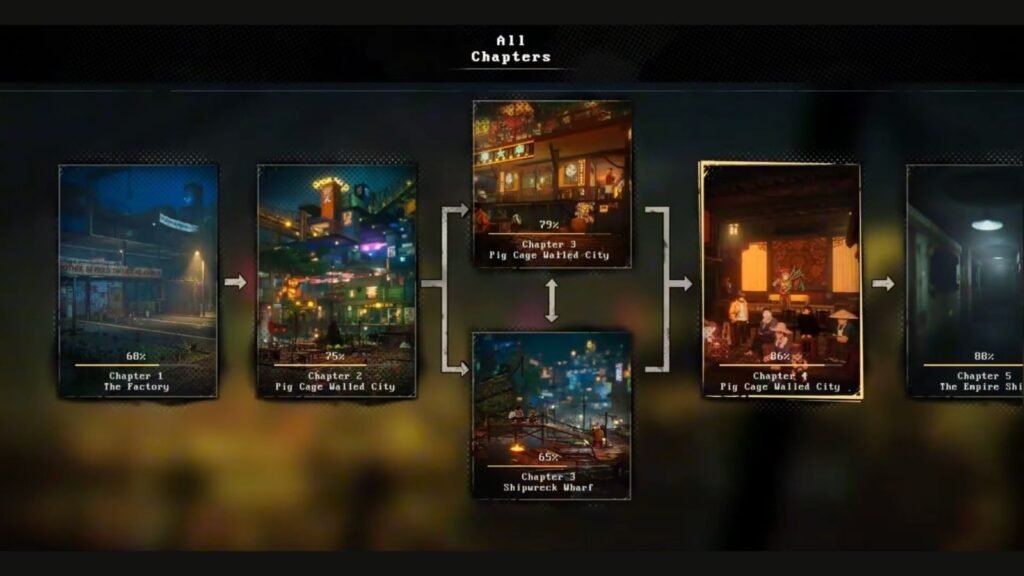
The game is massive, and your choices matter. The timeline map reveals a deeply branching chapter system where choices like “Conceal the Truth” or “Apologize after Revealing the Truth” lead to entirely different major or normal endings.
Here is the current structural breakdown of the game’s chapters and branching progression paths:
| Chapter | Location / Focus | Progression Marker |
| Chapter 1 | The Factory | 68% |
| Chapter 2 | Pig Cage Walled City | 75% |
| Chapter 3 (Branch A) | Pig Cage Walled City | 79% |
| Chapter 3 (Branch B) | Shipwreck Wharf | 65% |
| Chapter 4 | Pig Cage Walled City | 86% |
| Chapter 5 | The Engine Ship | 88% |
| Chapter 6 | Ending / Resolution | 50% |
Spoiler-Free Strategy Guide: Mastering the Deduction Board & RPG Builds
While the story of Dark Tide City is deeply compelling, navigating Detective Lucas’s mental web without hitting a dead end can be tricky. Here is a practical, spoiler-free guide to mastering the deduction mechanics and ensuring your build leads to the story outcome you want.
The Core Rules of the Deduction Corkboard
The deduction corkboard is where cases are won or lost. Instead of matching items arbitrarily, you must construct logical case theories:
- Spot the Environmental Flickers: When using your Shadow partner to review a “Rewind” scene, pay close attention to environmental changes, auditory cues, or brief screen reflections. If an object or person flickers during a rewind, that detail is crucial and will unlock a vital clue for your board.
- Resolve Red Contradictions: The board will often flag two clues in red if they explicitly contradict each other. Do not ignore these. You must look for a third piece of linking evidence—usually obtained by re-interrogating a suspect with the conflicting data—to break the deadlock.
- Balance Supernatural vs. Physical Clues: Your Shadow companion gives you an incredible window into the past, but it is an independent entity with its own distinct biases. Never rely solely on timeline rewinds to lock in an accusation. Always cross-reference a rewind vision with a piece of physical, real-world evidence or direct character testimony to ensure you aren’t being manipulated.
How RPG Attributes Alter Your Deduction Options
Your character build heavily gates how you gather information and link evidence on the deduction board:
- Strength Build: Focuses on physical pressure, environmental destruction, and intimidation. This path unlocks clues tied to forced entry, weapons, and structural damage, leading to more aggressive case resolutions.
- Spirit Build: Focuses on psychological leverage and intense “Rewind” deep-reads. This allows you to spot deep emotional manipulation and unlock hidden, abstract connections on your corkboard.
- Charm Build: Focuses on persuasion, social status, and occasional bribery. This path unlocks hidden testimony from NPCs who would otherwise lie or refuse to speak, giving you clean, non-violent avenues to the truth.
Navigating Branching Endings: Public vs. Private Truth
Your moral stance across the game’s chapters shapes whether you pursue systemic justice or personal closure:
The Final Mastermind Choice: At the climax of the narrative, the board gives you the ultimate agency to either judge, condemn, or entirely side with the mastermind behind Dark Tide City’s corruption.
The “Public” Path: Locking in clues that expose systemic, institutional corruption leads toward a path that completely upends the status quo of Dark Tide City, triggering widespread instability but exposing the absolute truth.
The “Private” Path: Prioritizing evidence that protects individual lives or shields specific victims allows you to settle scores quietly, leading to personal resolutions at the cost of leaving the city’s larger corrupt systems untouched.
‘Kill the Shadow’ Production Overview & Development Timeline
Curious about how this indie darling came to life? Here is a breakdown of the game’s development cycle, budget, and the cyber-noir audio that brings it all together:
| Category | Details |
| Release Date | August 5, 2026 (Demo released July 2024) |
| Development Timeline | ~3 Years |
| Estimated Budget | Low-to-Mid Indie Scale ($150k–$400k est.) |
| Development Hurdles | Financial constraints and complex 2.5D/3D lighting optimization to achieve the game’s signature high-contrast pixel look. |
| Soundtrack & Audio | Features a heavy, original cinematic cyber-noir score relying heavily on atmospheric, brooding analog synthesizers to emphasize suspense. |
Fueling Your Cyberpunk Investigation with the Ultimate Soundtrack
Stepping into a complex cyber-noir mystery requires the right mindset. While you are busy solving the mysteries that the internet hasn’t figured out yet, you need an audio backdrop that keeps your focus sharp and the atmosphere heavy.
Before you load up your save file and dive back into Dark Tide City, make sure to check out some classic foundational electronic works like Lazerhawk’s Skull and Shark or explore our synthwave vinyl collector guide. Pairing gritty detective work with legendary retro driving music acts as the ultimate, seamless companion soundtrack for Detective Lucas’s neon-noir universe.
Frequently Asked Questions (FAQ)
What platforms is Kill the Shadow available on?
Currently, Kill the Shadow is available to play on PC via Steam. While there is no official console announcement yet, community demand for PlayStation, Xbox, and Switch ports is extremely high.
Who is the main protagonist of the game?
Players take on the role of Lucas, a cynical, former police detective operating in Dark Tide City who is bound to a supernatural “Shadow” entity that aids him in his investigations.
How does the time-rewind mechanic actually work?
Instead of just reading old case files, Lucas can use his shadow to reconstruct crime scenes in real-time literally. Players must visually align past events and silhouettes to observe how the murders took place without actually altering history.
Does Kill the Shadow feature multiple endings?
Yes. The game features a heavily branching narrative. Your choices regarding factions, moral dilemmas, and how successfully you piece together clues in your deduction web will directly impact whether you receive a “Normal Ending” or a “Major Ending.”
What languages are supported in the game?
The game officially launched with English and Chinese voiceovers. However, the community is actively requesting additional text localizations for Russian, French, and Italian.