
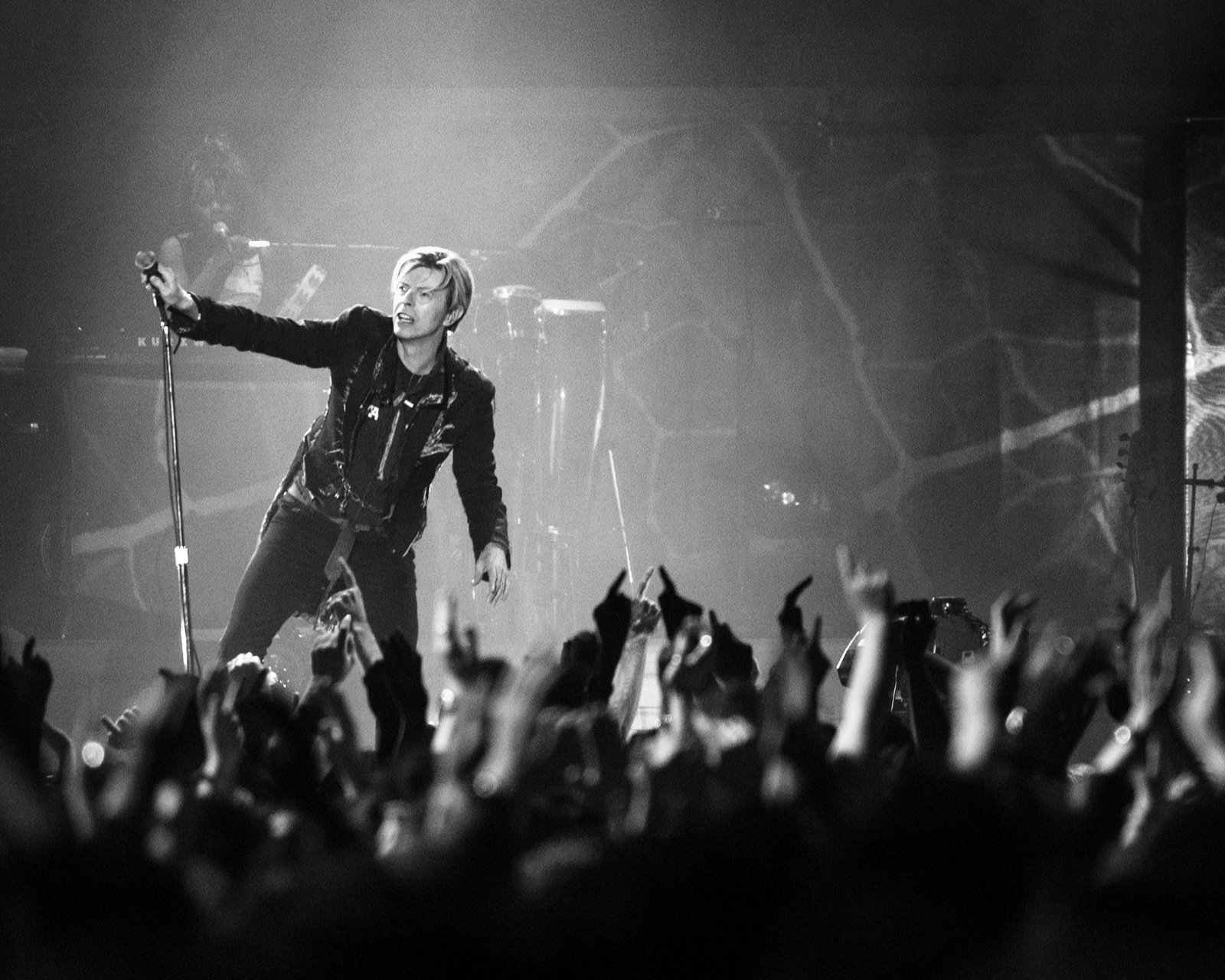
David Bowie released “Heroes” on RCA on 14 October 1977, 49 years ago this week. It was the second album of his Berlin trilogy and the only one recorded entirely in the city.
It reached No. 3 in the UK, and both NME and Melody Maker named it their album of the year. The title track, which Bowie wrote with Brian Eno, did far worse as a single and has since become one of his best-known songs.
A ballroom in sight of the Wall
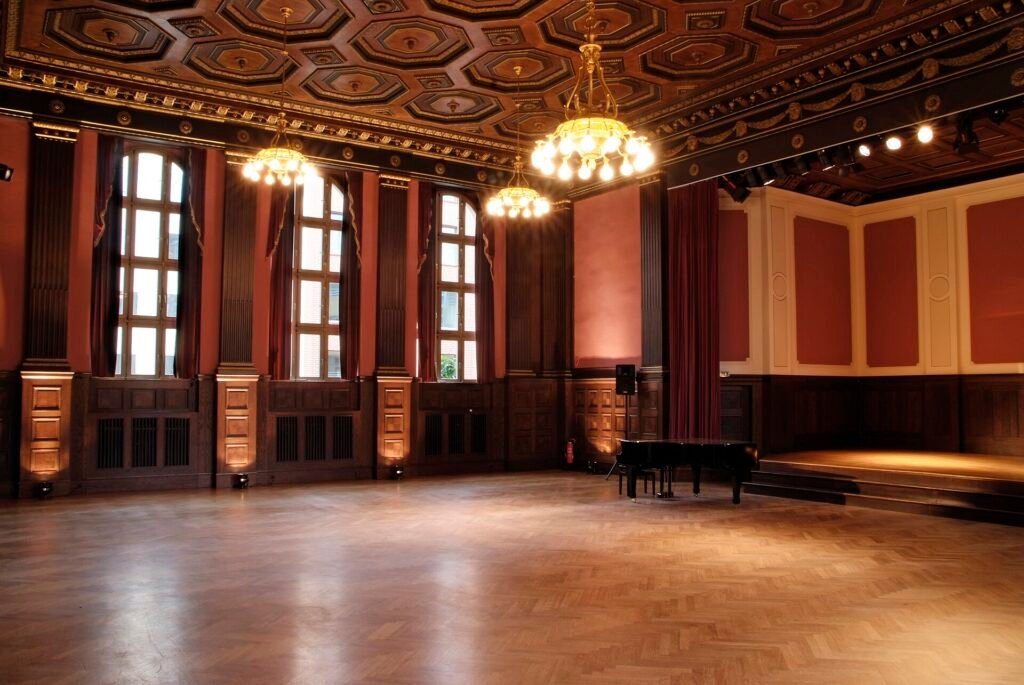
Bowie, Eno and producer Tony Visconti made the album in July and August 1977 at Hansa Studio 2 in West Berlin, the Meistersaal, a former concert hall on Köthener Strasse close enough to the Berlin Wall that the studio was nicknamed “Hansa by the Wall.”
“It was a stark, scary place, yet it had a very exciting nightlife,” Visconti told Sound on Sound of 1977 Berlin. He said the hall could hold about 150 musicians, and he used its natural echo on the drums, the percussion and Bowie’s voice.
The band of Carlos Alomar, George Murray and Dennis Davis cut the backing track first. It ran about eight minutes before it was edited down to just over six, and at that stage there were no lyrics or melody.
The briefcase synth and the feedback line
A week later, Eno added the sound that sets the mood. “Brian brought his EMS Synthi with him, which is a synthesizer built in a briefcase, and it has no real keyboard,” Visconti said.
Eno ran the first oscillator at “probably five cycles per second” and worked the noise filter, building what Visconti called a “shuddering, chattering effect” over a couple of passes of the tape.
The EMS Synthi AKS, launched in 1972, was the circuitry of the British EMS VCS 3 squeezed into a plastic case, with a flat touch keyboard and a sequencer in the lid.
Robert Fripp arrived about a week after that and played his guitar through the same Synthi.
The high, wailing line that many people take for an E-bow is controlled feedback.
Fripp had worked out where each note would feed back: an A at about four feet from the speaker, a G at about three and a half. “He had a strip that they would place on the floor,” Visconti said, and Eno turned the filter dials while Fripp played. Three takes were blended into the final line.
Three microphones and a kiss by the Wall
Bowie wrote the words within a couple of hours, looking out of the studio window. He had seen Visconti and backing singer Antonia Maass kissing by the Wall.
“David could see us, and we quickly got written into the lyrics as the lovers who kissed by the wall,” Visconti said. He was married at the time, so the story stayed private for years.
For the vocal, Visconti set up three microphones: a valve Neumann U47 in front of Bowie, a U87 about 15 feet away, and another U87 at the far end of the hall. Gates opened the distant mics only when Bowie sang loud enough, so the reverb on the louder verses is the room itself.
“What you hear on the record is probably take three,” Visconti said.
The single, released on 23 September 1977, stopped at No. 24 in the UK. After Bowie’s death in January 2016, the song climbed to a new peak of No. 12.
For more 70s synth history, read how a borrowed Moog made “I Feel Love” the same year, or how Jean-Michel Jarre built Oxygène in his kitchen in 1976. More artist histories are in our artist section.
Depeche Mode later recorded “People Are People” and Some Great Reward at Hansa. The Meistersaal stopped working as Hansa Studio 2 after 1993 and was restored as a hall, where recording sessions and concerts still take place.
Lead photo: Roger Woolman / Wikimedia Commons, CC BY 3.0