
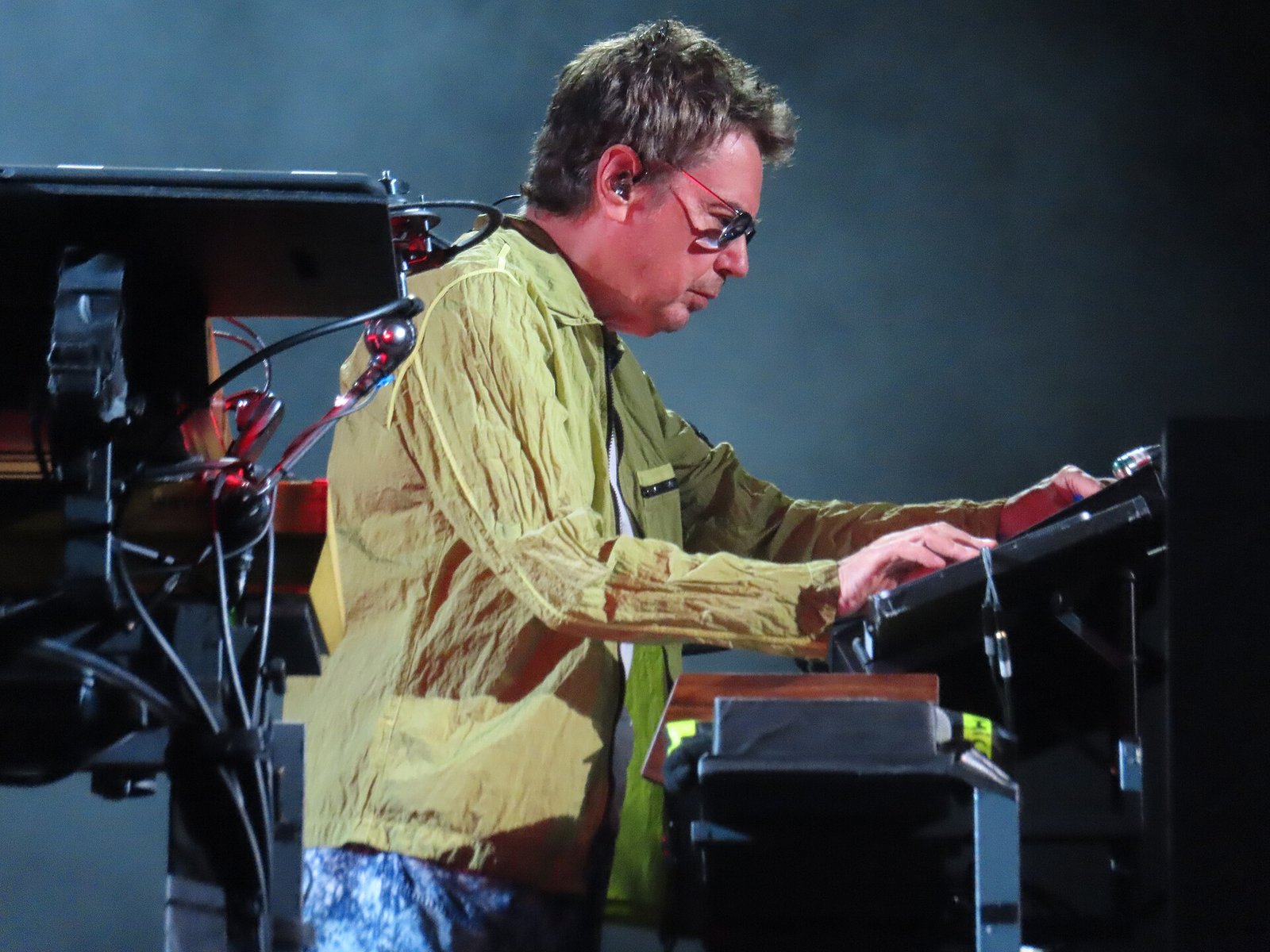
Jean-Michel Jarre will release a 50th anniversary edition of Oxygène on 20 November, with a new remaster made from the 1976 stereo tapes and a Dolby Atmos mix.
The album he recorded in the kitchen of his Paris flat has sold more than 18 million copies, MusicRadar reported when the edition was announced this week.
“When I created Oxygene, I was working directly with analogue instruments and tape,” Jarre said in the announcement. He said the sound on those tapes had a depth and movement of its own, and that the team went back to them to keep that character intact.
What is in the 50th anniversary edition
BMG is issuing the album on half-speed vinyl, limited coloured eco-vinyl, CD and digital, plus a Blu-ray mediabook.
Mastering engineer Miles Showell made the 2026 stereo remaster from a new transfer of the original tapes, which SuperDeluxeEdition says were recently found in Jarre’s own archive. The Blu-ray carries it at 192 kHz / 24-bit.
David Kosten, Steven Wilson and Jarre mixed the new Atmos and 5.1 versions from the multitracks, in sessions in Paris and London. The disc also has a headphone-only binaural mix, the original “Oxygène (Part IV)” video upgraded to HD and a 30-minute interview filmed at Abbey Road.
Kosten’s booklet notes explain the trick that made the 1976 record sound so wide: a dry synth panned hard left, with “a rolling, repeating tape-echo version of it panned fully to the right, at the same level as the dry tone.” In the new mixes, he writes, the drums and bass of “Part V” circle the listener, and the ocean in “Part VI” crashes from front to back.
A Mellotron with few working keys and a taped-down drum machine
Jarre recorded Oxygène between August and November 1976 in a makeshift studio at 12 Rue de la Trémoille, near the Champs-Élysées. Royalties from writing for Françoise Hardy and Patrick Juvet had paid for the ARP 2600, and he later added a Scully eight-track recorder.
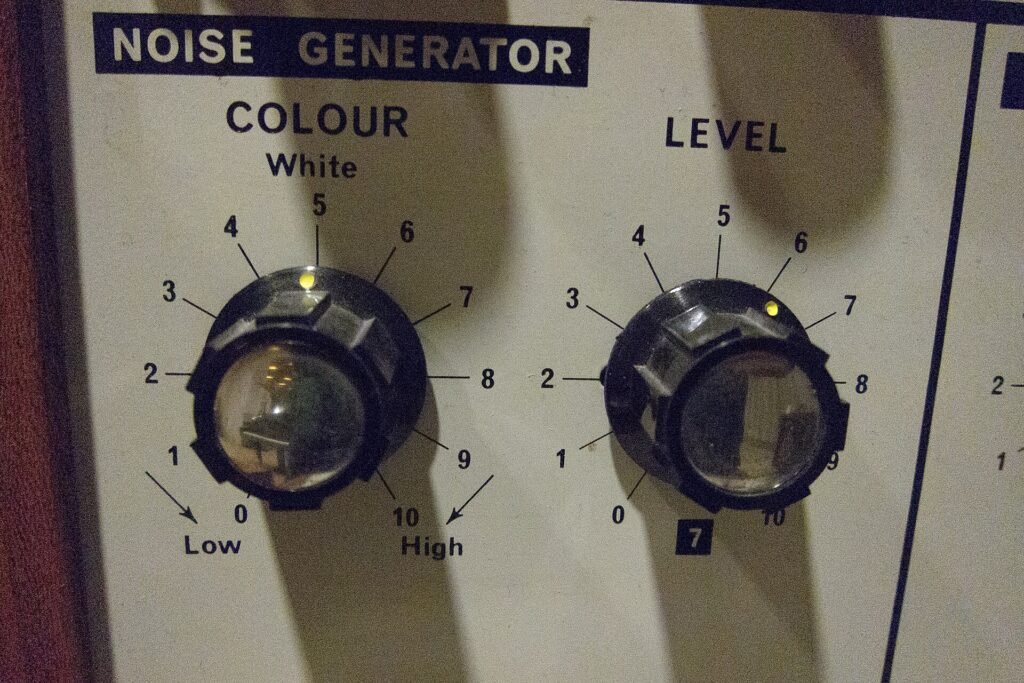
His synths were that ARP 2600, an EMS VCS3 and a Synthi AKS, alongside a Farfisa organ, an Eminent 310 Unique and an old Mellotron with only a few keys still working. He wrote “Oxygène (Part II)” on that Mellotron.
The rhythm came from a Korg Mini-Pops 7. Jarre used adhesive tape to hold down two preset buttons at once, so “Part IV” runs the “rock” and “slow rock” patterns together, years before the TR-808 made drum machines common. Engineer Michel Geiss programmed the ARP 2600 sound that carries the “Part IV” melody.
The VCS3 went back further. Jarre bought one of the first units in 1967, after travelling to London to sell his electric guitar and amplifier to pay for it, and its echo-heavy effects are all over the record.
“The foundation for this unique career was laid in that kitchen, with a broken Mellotron and ideas for eternity,” German writer Torsten Groß said of the album this week. Critic Alexis Petridis, in his essay for the booklet, writes that the record sounded like “a curious transmission from the future” in 1976.
From 50,000 promo copies to UK No. 2
Disques Motors released Oxygène in France in December 1976, giving its first pressing of 50,000 copies to hi-fi shops to demonstrate stereo systems, according to the album’s release history. Polydor took it worldwide in 1977. The cover, a skull inside a peeled-open Earth, is a watercolour by French painter Michel Granger that Jarre bought from a Paris gallery and had adapted to the square sleeve.
“Oxygène (Part IV)” reached No. 4 on the UK singles chart and the album reached No. 2 in the UK, the same year Donna Summer’s “I Feel Love” put a Moog sequence at No. 1.
Vinyl buyers will find tips in our vinyl collector guide, and more electronic pioneers in our artist section.
Before the reissue lands, Jarre appears as guest of honour at Amsterdam Dance Event on 21 October, and his book Machines: A History of Electronic Music follows on 24 November.
Lead photo: Nalimer / Wikimedia Commons, CC BY-SA 4.0