
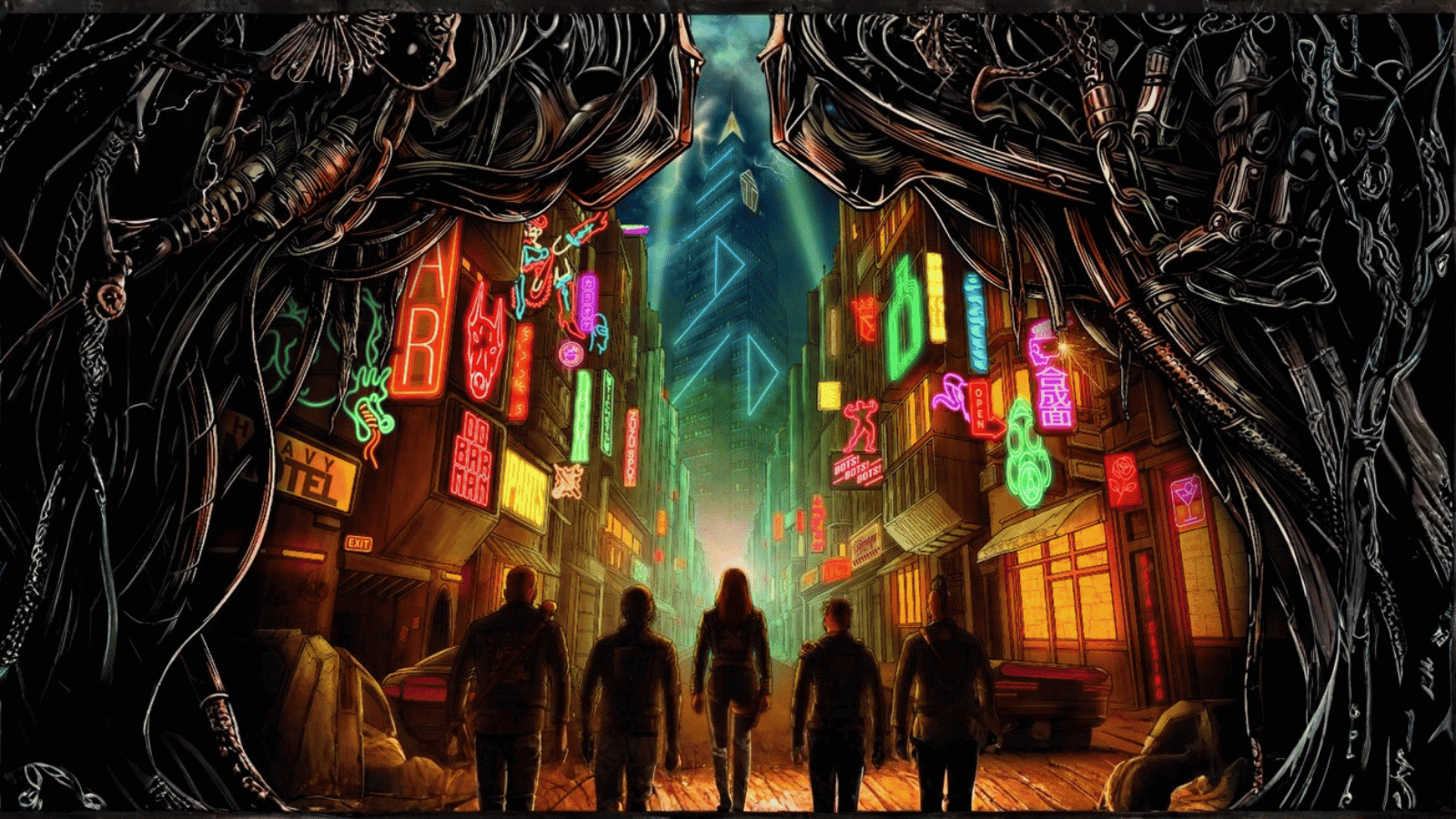
When it comes to darksynth, few names carry as much weight as Carpenter Brut (Franck Hueso). Ever since his 2015 debut Trilogy and 2018’s Leather Teeth, his signature blend of aggressive metal riffs, crushing 80s gated snares, and roaring analog basslines has defined the genre.
With the release of Leather Temple—the third and final chapter of his cinematic Leather Trilogy—Franck brings the dystopian saga of cyborg protagonist Bret Halford and the tyrant Iron Tusk to an explosive end.
For music producers and synth enthusiasts, Leather Temple holds a massive surprise: Carpenter Brut packed his analog hardware synths into flight cases and produced this entire album inside the computer.
Here is the exact breakdown of the DAWs, software plugins, hardware controllers, and live gear Carpenter Brut used to craft his most aggressive album to date.
The Studio Setup: Going 100% “In The Box”
In past years, Franck relied heavily on iconic analog hardware like the Sequential Prophet-6, Dave Smith OB-6, and Moog Pro 2. However, for Leather Temple, he shifted completely to a digital workflow to maximize his speed and creative flexibility.
“For Leather Temple I packed the hardware into flight cases and went fully in the box… I grew up working with plugins, and that’s still how I move fastest.” — Carpenter Brut
Carpenter Brut’s Complete Production Gear List
| Category | Equipment / Software Used | Production Role |
| Digital Audio Workstation | Ableton Live | Primary DAW for recording, sequencing, and arrangement. |
| Primary Soft Synths | Arturia V Collection / Analog Lab | Bulk of main synth leads, vintage brass, and pads. |
| Modular & Hybrid VSTs | Kilohearts Phase Plant | Complex sound design and wavetable modulation. |
| Sample Libraries | Native Instruments | Additional sample textures, orchestral elements, and keys. |
| Mixing & Processing FX | Universal Audio & Softube Plugins | Analog warmth, saturation, and tape coloration. |
| Stock Plugins | Ableton Live Native FX | Utilities, delays, EQ, and primary signal routing. |
| Hardware Controllers | Softube Console 1 & NI Kontrol S61 | Tactile mixing control and MIDI keyboard sequencing. |
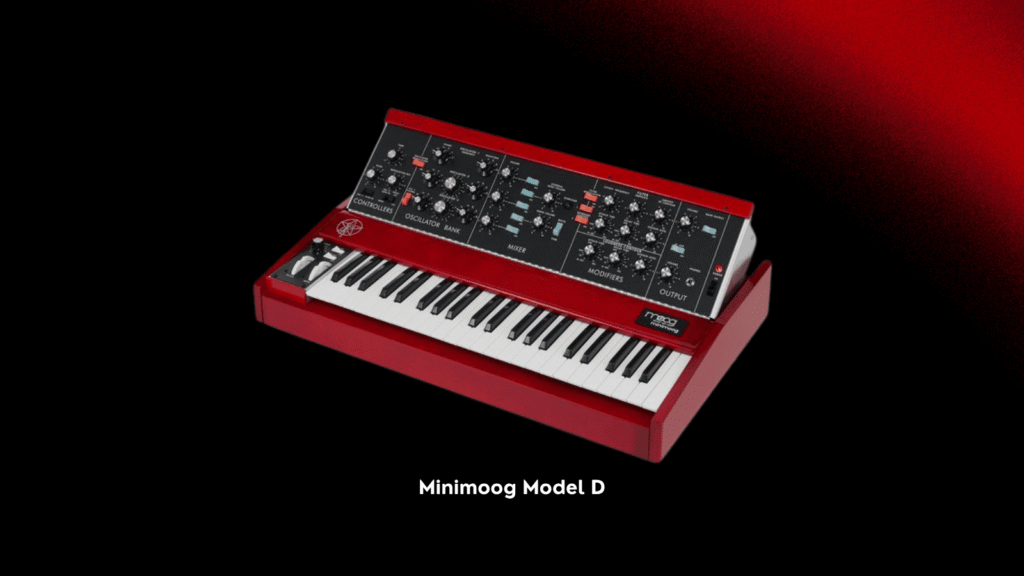
| Desert Island Hardware | Minimoog Model D | His favorite hardware synth kept for pure inspiration. |
The “No Template” Writing Workflow
Unlike many producers who rely on rigid templates, Carpenter Brut starts every single production from a completely blank session in Ableton Live, keeping only one or two go-to drum kits pre-loaded to avoid wasting time.
His songwriting process follows two distinct paths:
- Rhythm-First: Building a basic, unformatted Kick/Snare pattern to drive the tempo, making it easier to discover heavy synth riffs.
- Preset Exploration: Opening a VST he rarely uses, scrolling through presets, and letting a unique patch trigger a cinematic scene in his mind (a car chase, a villain’s entrance, or a character’s death).
Franck is also known for heavy sonic layering. Tracks like the title song “Leather Temple” took over four months of research, experimentation, and scrapping early arrangements before locking into a streamlined, high-energy arrangement built specifically for the live stage.
Live Rig Evolution: From Fragile Analog to AstroLab
Transitioning Leather Temple from the studio to festival stages required a complete overhaul of his live rig. Analog synths are notoriously fragile on tour, prompting a switch to digital reliability.
- Primary Keyboards: 2x Arturia AstroLab stage synths. Because AstroLab natively runs Arturia Analog Lab presets, Franck can duplicate his studio patches directly onto his stage hardware.
- Redundancy & Safety: A backup laptop running Ableton Live connected to a standard MIDI controller, formatted with the exact same patch order in case of stage hardware failure.
- Tour Sound Design: Ableton Push Standalone, allowing him to trigger samples on stage and sketch new plugin ideas while traveling on the tour bus without opening a laptop.
This streamlined digital ecosystem keeps his live shows punchy and effective, providing the ideal setup when pairing heavy synth leads with hardware controllers like the Akai MPK Mini IV.
Analog vs. Digital: The Reality Check
When asked about the endless online debate between real analog hardware and digital software emulations, Franck offered a straightforward perspective for modern producers:
“Why would I care what ‘sounds better’ between real analog and an emulation? Is the track good or not? … Use whatever you want and have fun. Don’t listen to people.”
Whether you are building heavy darksynth tracks for our Ultimate Synthwave Workout Playlist or analyzing new plugin releases like the TubeOhm TO-Sampler, Carpenter Brut’s approach proves that great music comes from creative vision and relentless iteration, not expensive hardware racks.
Frequently Asked Questions (FAQ)
What DAW does Carpenter Brut use?
Carpenter Brut produces his music in Ableton Live. He uses a combination of Ableton’s stock audio effects alongside third-party VSTs from Arturia, Kilohearts, Native Instruments, Universal Audio, and Softube.
Did Carpenter Brut use analog hardware synths on Leather Temple?
No. While he previously used hardware like the Prophet-6, Dave Smith OB-6, and Moog Pro 2, he packed his hardware into flight cases for Leather Temple and worked 100% “In the Box” using software plugins.
What keyboards does Carpenter Brut play live on tour?
Since 2025, Carpenter Brut uses two Arturia AstroLab keyboards for live performances. They allow him to seamlessly run the exact same Arturia Analog Lab patches he uses in his studio sessions.
What is the order of Carpenter Brut’s Leather Trilogy?
The Leather Trilogy consists of three concept albums: Leather Teeth (2018), Leather Terror (2022), and Leather Temple (2026).