
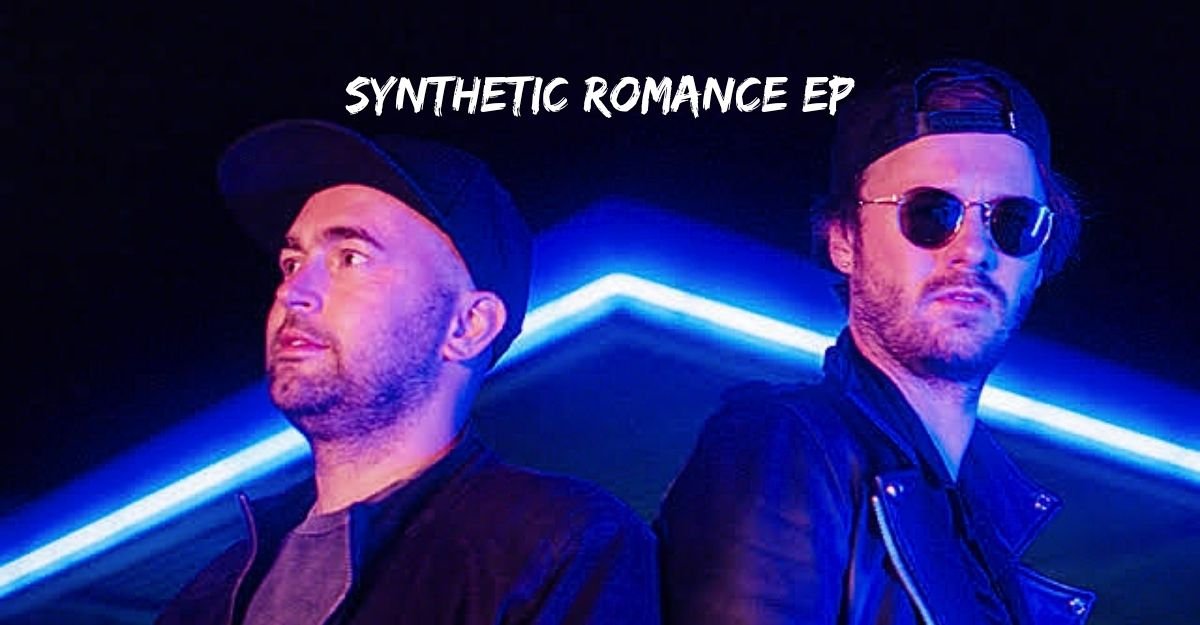
Editorial Notice: This asset represents the official historical and technical restoration of the original Timecop1983 artist profile, first published on Future City Records during the label’s mid-decade expansion. As part of our 2026 cultural archive initiative led by Editor-in-Chief Sahil Chopra, this resource has been expanded to trace Jordy Leenaerts’ evolution from underground bedroom producer to global electronic icon.
Introduction: A Different Kind of Neon
In the early 2010s, the synthwave genre was overwhelmingly dominated by aggressive, dystopian soundscapes. Pioneering producers were heavily influenced by 1980s slasher films, cyberpunk aesthetics, and heavy metal. The scene was saturated with distorted basslines and crushing synthesized guitars—music designed for cyborg assassins.
Then came a producer from the Netherlands named Jordy Leenaerts, operating under the moniker Timecop1983.
Instead of dystopia, Timecop1983 offered pure, unadulterated nostalgia. He stripped away the aggressive cyber-goth grit and replaced it with lush, cascading analog pads, soaring melodies, and gated snares. He wasn’t scoring a high-speed shootout; he was scoring a late-night drive down a coastal highway. In doing so, he almost single-handedly codified an entirely new subgenre that the community would come to call Dreamwave.
Part I: The Future City Records Origins
Timecop1983’s early trajectory was heavily supported by the underground digital label network, with Future City Records playing a pivotal role in his ascendance. In the foundational years of the genre, the label published his highly influential Synthetic Romance EP (Catalog: FCR061).
Synthetic Romance served as a technical blueprint for the Dreamwave sound. Production-wise, the EP relied heavily on the emulation of classic 80s hardware—specifically the Roland Juno-106 and the Jupiter-8. By drenching his synthesizers in massive, cavernous digital reverb and slowing the tempo down to a rhythmic, pulsating crawl, Leenaerts created a sense of auditory yearning.
These early Future City Records releases proved that modern synthwave did not have to rely on aggressive tempos to keep a listener’s attention. Emotion and atmosphere could carry a track entirely on their own.
Part II: The Forum Catalyst (The Reddit Phenomenon)
Looking back from 2026, it is easy to forget that Spotify algorithmic playlists did not dictate the rise of the synthwave genre. The culture was built in the trenches of internet forums and message boards. Timecop1983’s explosion in popularity is intrinsically tied to his dominance on platforms like Reddit.
Communities such as r/outrun and r/synthwave acted as hyper-focused incubators for electronic music. When tracks from Synthetic Romance and his subsequent masterpiece Journeys hit these subreddits, the response was immediate and viral. Unlike mainstream music promotion, the Reddit community championed Timecop1983 through organic word-of-mouth.
Producers flocked to threads to dissect his specific EQ techniques and chorus effects, while casual listeners praised his ability to trigger “Anemoia”—a deep nostalgia for a time or place one has never actually experienced. This intense, forum-driven loyalty gave him a fiercely dedicated fanbase long before mainstream music publications knew who he was.
Part III: The Visual Symbiosis & The GIPHY Connection
You cannot discuss the legacy of Timecop1983 without discussing the visual art movement that grew alongside him. Synthwave is a highly visual audio medium, and Leenaerts’ cinematic soundscapes became the unofficial soundtrack for the 1980s retro-art revival.
As his popularity surged, his music became inextricably linked with the looping, neon-soaked GIF art proliferating across the internet. If you saw a high-definition, looping pixel-art animation on GIPHY—perhaps a glowing wireframe sun setting behind a digital mountain, or rain falling on a neon-lit Tokyo street—it was almost certainly created to evoke the exact mood of a Timecop1983 track.
This visual symbiosis was critical. Future City Records frequently highlighted this crossover, noting how digital artists and GIF animators used his music as a direct muse. The aesthetic loops shared across GIPHY, Tumblr, and Reddit served as visual distribution vectors, introducing millions of people to the Dreamwave sound without them ever actively searching for a music blog.
Part IV: The 2026 Perspective
Today, Timecop1983 stands as a titan of modern electronic music. He has evolved far beyond the digital forums, selling out live venues across the globe and composing scores for major independent films and video games.
Yet, despite the massive scale of his current productions, his core philosophy remains untouched. In an era where electronic music constantly pushes toward faster, more chaotic extremes, Timecop1983 remains a master of restraint. He proved that pure, cinematic emotion—anchored by the warm hum of a vintage synthesizer—is timeless.
Frequently Asked Questions (FAQ)
What subgenre of music does Timecop1983 produce?
Timecop1983 is widely considered the pioneer of Dreamwave, a subgenre of synthwave and retrowave characterized by slower tempos, lush cinematic synthesizers, romantic melodies, and a deep sense of 1980s nostalgia.
Did Timecop1983 release music on Future City Records?
Yes. During the early foundational years of the synthwave movement, Timecop1983 released the critically acclaimed Synthetic Romance EP (Catalog FCR061) through Future City Records.
What instruments are essential to the Timecop1983 sound?
His signature sound is built upon the classic analog synthesizers of the 1980s, primarily utilizing the iconic brass, strings, and warm pads of the Roland Juno-106, Roland Jupiter-8, and Yamaha DX7, heavily processed with modern studio reverb.