
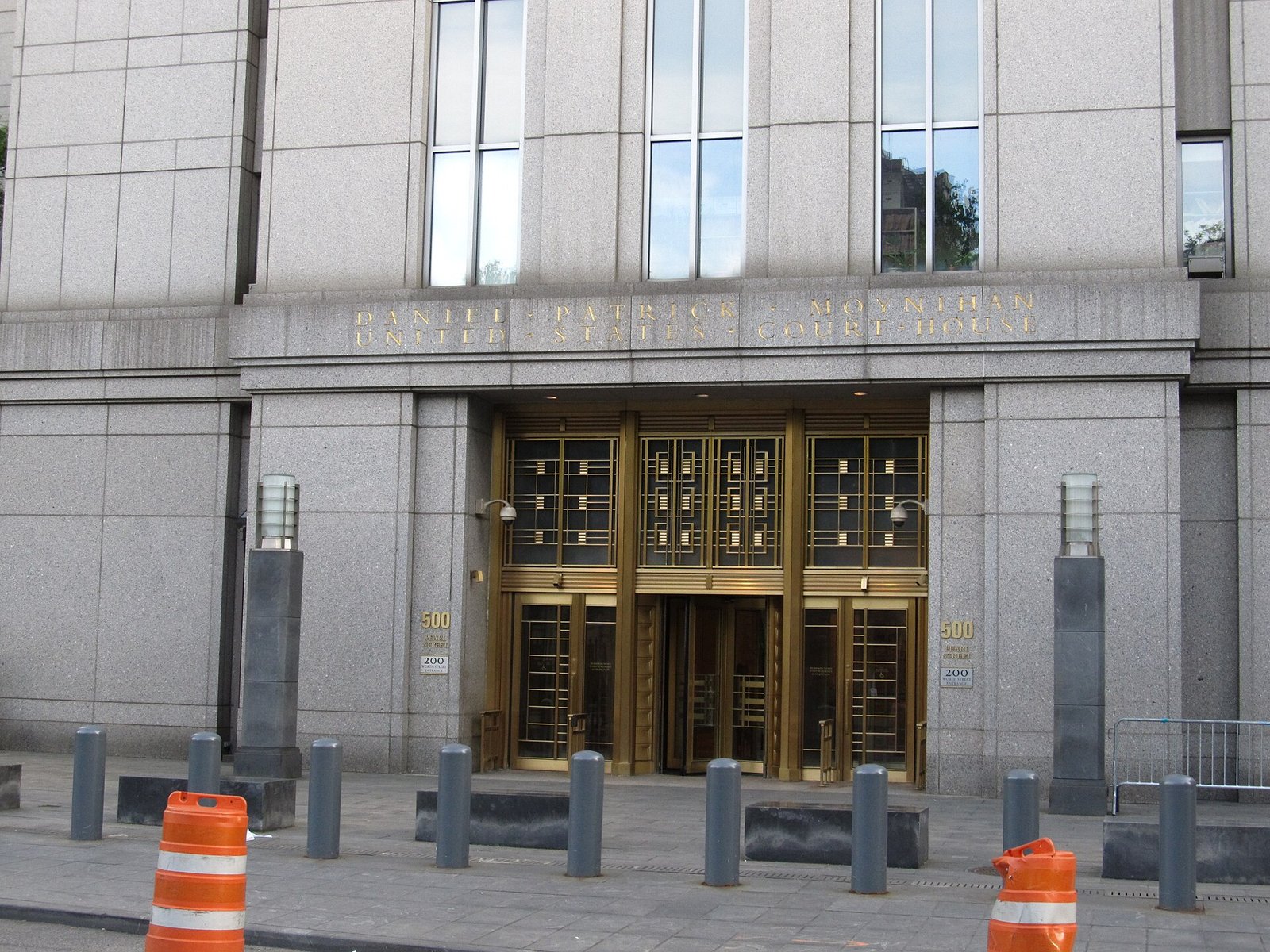
A federal judge in Manhattan sentenced Michael Smith, 54, of Cornelius, North Carolina, to 18 months in prison on October 6 for using bots to stream hundreds of thousands of AI-generated songs billions of times.
Judge John G. Koeltl also ordered Smith to forfeit $8,091,843.64, the loss figure both sides agreed, and to serve two years of supervised release.
The US Attorney’s Office for the Southern District of New York called it the Justice Department’s first criminally charged case of its kind in its sentencing announcement.
Smith pleaded guilty on March 19, 2026, to one count of conspiracy to commit wire fraud. Prosecutors had asked for at least 46 months, the low end of the federal guideline range, and the US Probation Office had recommended 24, Music Business Worldwide reported. His lawyers had asked for probation.
10,000 bot accounts and a catalogue of “Zygotes”
The scheme ran from 2017 to 2024. Smith opened thousands of fake accounts on Spotify, Apple Music, Amazon Music and YouTube Music, using fake email addresses and fraudulently obtained debit cards, and at times ran as many as 10,000 of them at once.
He spread the plays across thousands of tracks so that no single song looked unusual. In an email quoted by prosecutors, he wrote that he needed “a TON of songs fast” to get around the platforms’ “anti fraud policies.”
The songs came from the chief executive of an AI music company, identified only as a co-conspirator in the 2024 indictment, who sent Smith thousands of tracks a week. “Keep in mind what we’re doing musically here… this is not ‘music,’ it’s ‘instant music’ ;),” the executive wrote to him in 2019.
Smith then gave the files invented titles and artist names. One alphabetical run of 25 titles quoted by prosecutors includes “Zygotic Washstands,” “Zymopure” and “Zyzomys,” credited to made-up acts such as “Calliope Bloom.”
The volumes were huge. In April 2023, Taylor Swift’s entire catalogue drew 9.3 million family-plan streams on YouTube Music, while Smith’s bots used family plans to stream his AI tracks 80.9 million times on the same service that month.
At one point Smith estimated his accounts could produce 661,440 streams a day, worth $1,207,128 a year in royalties, according to the 2024 charging announcement.
The money came out of a pool shared with real artists
Streaming services pay royalties from a shared pool, split by each rights holder’s share of total plays. The Justice Department release puts it plainly: streaming fraud “diverts funds from musicians and songwriters whose songs were legitimately streamed by real consumers.”
That pool model is why small instrumental scenes follow cases like this one. A bot play of “Zymogenic” and a real play of a synthwave single from a label catalogue like ours were paid from the same pot.
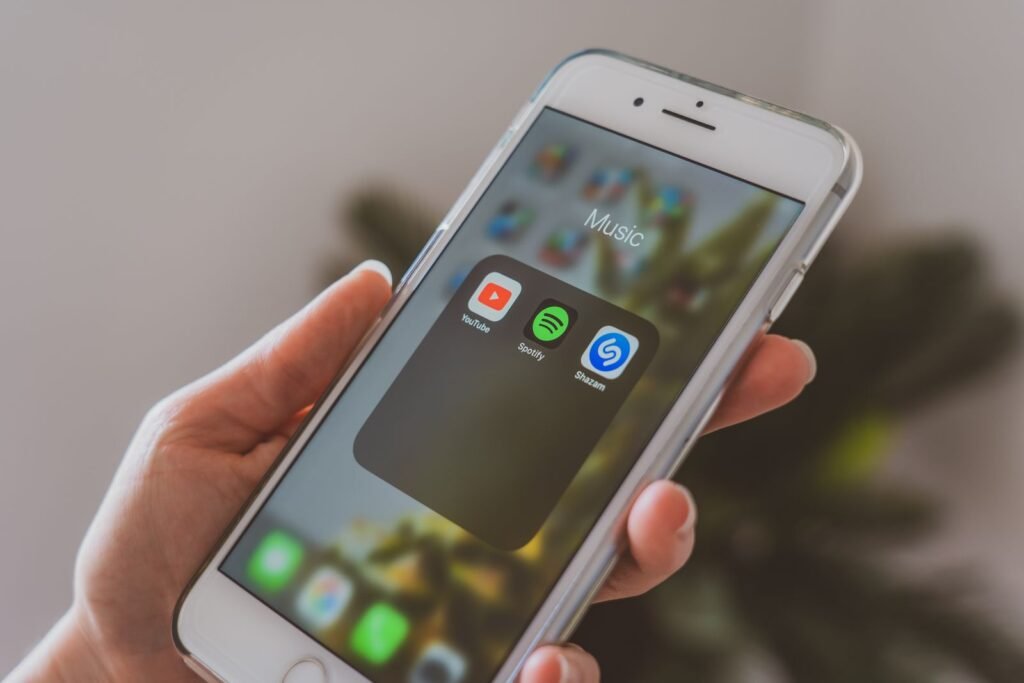
Spotify had already tightened its rules against this kind of abuse. In November 2023 it said it would charge labels and distributors per track when “flagrant artificial streaming” was found on their content, alongside the 1,000-stream minimum for royalties that started in early 2024.
Smith’s lawyers argued in an October 2 letter that “it is not inherently unlawful to use AI to create songs and place those songs on streaming platforms,” citing a September 2025 Spotify statement that all music is treated equally for royalties, whatever tools made it. The charge he admitted was about faking the listeners.
What the case means for royalties next
The government’s sentencing letter says Smith received more than $14 million in total from royalty-paying entities. The agreed loss deducted estimates for legitimate plays of his music and for money he paid back into the pools by buying the streaming accounts his bots used.
Global recorded music body IFPI said on October 7 that the result “sends a clear message that streaming fraud is a crime and has serious consequences.”
The March plea release described Smith’s songs as made with “artificial intelligence” throughout, while the October release from US Attorney Jamie McDonald calls the same technology “super intelligence.”
On October 7 the US Copyright Office published a Notice of Inquiry, requested by Congress, asking for evidence on how bot farms, playlist stuffing and account hijacking cut royalties for genuine plays, The Music Network reported.
Lead photo: Ken Lund / Wikimedia Commons, CC BY-SA 2.0